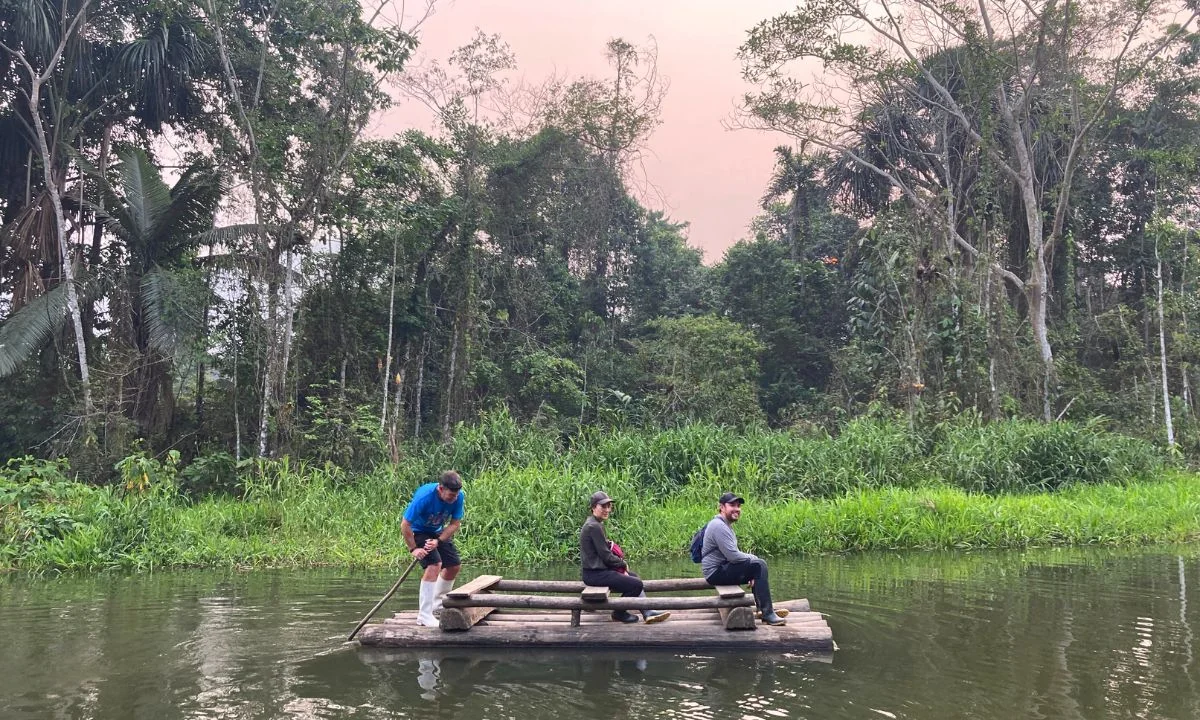
The rainforest of Manu National Park features extraordinary flora and fauna. This protected area in Peru is so rich in biodiversity that it was declared a UNESCO World Heritage Site. However, it is also a dense, humid, and ever-changing jungle. What should you bring to Manu National Park? In this guide, you’ll find everything essential to prepare your luggage so you’ll be ready to enjoy the adventure without setbacks.
Guide on What to Bring to Manu: Essentials for Tours and How to Be Prepared
Manu spans altitudes from 400 m to over 3,000 m, which is why the “frigid, humid, and hot” climate can vary from cold in the mountains to heat in the Amazon. You should pack layered clothing: a jacket for the cold and light clothing for the heat. Knowing what to bring to Manu National Park will allow you to adapt to these changes without any issues.
SERNANP (Peru’s national parks authority) recommends wearing comfortable clothing suitable for the climate, as well as sunscreen and insect repellent. Additionally, keep in mind that to visit Manu it is mandatory to hire authorized tour operators. Respect the rules: bring reusable bags, avoid disposable plastics, and do not leave trash in the jungle.
What to Bring to Manu National Park
These recommendations are based on the best sources from travel guides and expert operators. This way, you’ll know exactly what to bring to Manu National Park for your safety and comfort.
Documents and Personal Items
- Valid original passport. You will be asked for it at park entry checkpoints. (Also bring your passport or ID if you are local).
- Photocopies of documents (passport, ID, etc.). Keep them separate from the original for emergencies.
- Travel insurance and reservation information. Keep your insurance policy and tour confirmations handy.
- Cash (Peruvian soles). There are no ATMs in the area, so bring enough local currency.
- Main travel backpack (40–50 liters). Made of durable and waterproof material. (Ideally 30–40 L if packing light).
- Small daypack. For short excursions, carry a “daypack” with water, camera, and snacks.
- Headlamp with spare batteries. Essential for walking at night or moving around lodges without electricity.
- Reusable water bottle or canteen. Stay hydrated: guides usually provide drinking water, but it’s good to carry your own bottle.
- Quick-dry towel. Preferably synthetic to dry quickly after bathing or swimming.
- Sunglasses and wide-brim hat. Protect against intense sun rays.
- Personal hygiene items: toothbrush, toothpaste, biodegradable soap, toilet paper (in a bag), and feminine products. Bring a waterproof bag to keep them dry.
Appropriate Clothing for Manu National Park
- Long-sleeve quick-dry shirts or T-shirts. Protect against sun and insects, and dry quickly in humidity. Choose synthetic fabrics (polyester, nylon).
- Breathable or convertible long pants. Quick-drying and comfortable for hiking. Long pants prevent bites and scratches. Convertible pants (with zippers at the hem) are useful in extreme heat. Avoid heavy cotton.
- Quick-dry underwear and socks. Bring several pairs (3–4). Long synthetic socks protect against chafing and mosquitoes.
- Light fleece jacket. For cold mornings and evenings in higher areas.
- High-quality rain poncho or waterproof jacket. Rain is unpredictable in the jungle. Better than a cheap poncho, bring a sturdy waterproof jacket with a hood.
- Waterproof trekking boots. With good grip and ankle support. Essential for trails and slippery terrain. Break them in before the trip to avoid blisters.
- Sandals or secure river shoes. Useful for boat sections, river areas, or relaxing at lodges. Rubber boots are also commonly used in very muddy terrain.
- Hat or cap. Preferably wide-brimmed to protect from the sun (as mentioned above).
Essential Gear for the Manu Jungle
- Dry bags. Protect your electronic equipment and clothing from moisture. Place your belongings in waterproof bags inside your backpack.
- Extra batteries and portable charger (power bank). Humidity and cold can drain batteries quickly, and electricity in lodges is usually limited. Bring at least two camera batteries and a power bank.
- Phone charger and adapters. Check if you need an adapter (type A/B plugs in Peru). Bring extra batteries if you use a flashlight or other devices.
- High SPF sunscreen. Even when it rains, UV rays are intense in the jungle. Apply it every morning.
- Insect repellent. Essential in the Amazon. Look for one with at least 30–50% DEET or icaridin. Apply it whenever you are outdoors, even during boat tours.
- Light trash bag. Useful for separating dirty clothes or carrying your trash out of the jungle. You must always carry your trash with you.
- Personal hydration system: if you prefer to carry an extra bottle or hydration pack with a filter (for safety).
- Extra clothes in plastic bags. Always bring at least one change of dry clothes sealed in a bag inside your backpack. It will save you discomfort if you get wet or sweat a lot.
- Snacks and energy containers (energy bars, nuts). Although tours provide food, it’s always good to have extra for long hikes.
- Copy of tour reservation. Keep your booking confirmation in paper or PDF format.
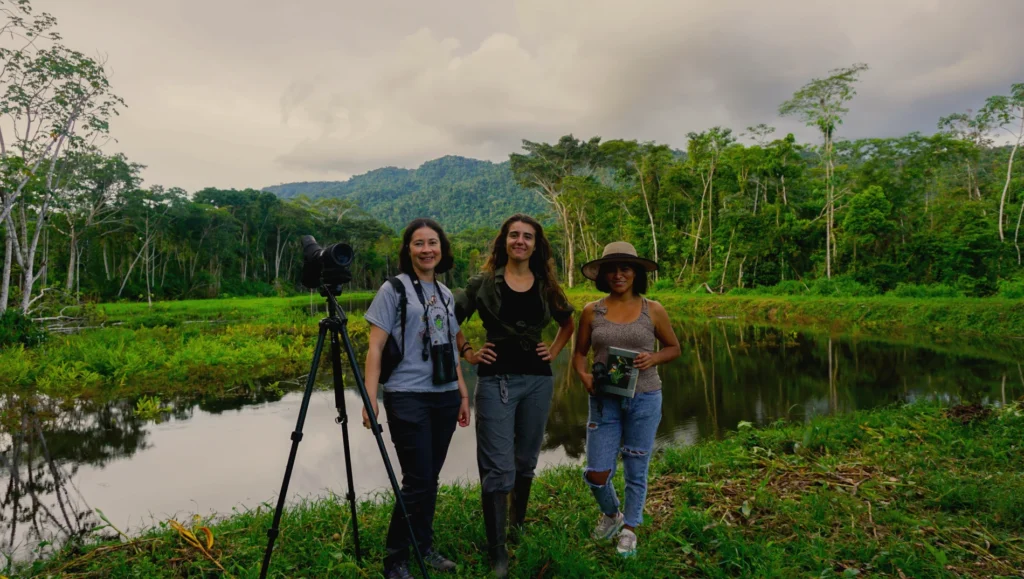
Optical and Photographic Equipment: Capture the Biodiversity
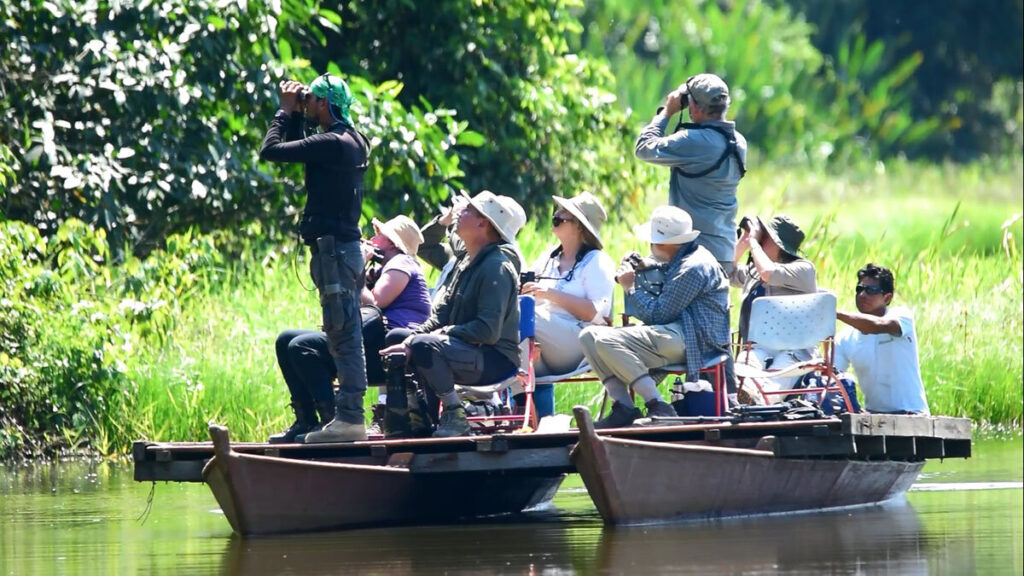
- Good quality binoculars (8×42 or 10×42). Essential for spotting birds and wildlife at a distance.
- Camera: DSLR or mirrorless preferred for versatility in low light. Make sure it performs well at high ISO for night shots or dense jungle conditions.
- Telephoto lens (long zoom). A 100–400 mm or 200–600 mm lens is ideal for capturing birds and mammals without disturbing them. A 70–200 mm lens can also serve as a versatile option.
- Macro lens. Useful for photographing insects, frogs, and butterflies.
- Additional batteries and power bank. As mentioned, bring several charged batteries and a portable charger. Low temperatures reduce battery life quickly.
- Extra memory cards. Bring multiple cards so you don’t run out of space.
- Dry bags for cameras. Protect your equipment from extreme humidity and heavy rain. Even if your camera is inside your backpack, seal it in a dry bag.
- Monopod or lightweight tripod. A monopod is more practical in the jungle due to its portability. A tripod can be bulky. Choose one that is sturdy and compact.
- Other accessories: camera charger, UV/ND filter, spare lens if you have one, neoprene camera cover (optional).
First Aid Kit: Complete and Adapted to the Jungle
- Pain relievers and antipyretics (e.g., acetaminophen or ibuprofen). Acetaminophen is especially recommended in dengue-risk areas.
- Antihistamines and corticosteroid cream. For allergic reactions and insect bites.
- Extra insect repellent and sunscreen. Even if you carry them in your gear, keep backups in your first aid kit.
- Band-aids (adhesive bandages), sterile gauze, medical tape. For minor scrapes and cuts.
- Antiseptic (alcohol, iodine, or hydrogen peroxide). To disinfect wounds.
- Elastic bandage and adhesive tape. Useful for sprains or securing gauze.
- Antidiarrheals and oral rehydration salts. For stomach issues or food poisoning. Diarrhea is common when trying new foods.
- Thermometer and small scissors. To measure temperature and cut bandages or tape.
- Others: tweezers to remove splinters, topical antibiotic cream, personal medication (e.g., for blood pressure), saline nasal solution, stomach pain relievers (loperamide), special blister pads.
Knowing what to bring to Manu National Park not only improves your comfort, it also allows you to fully enjoy one of the most biodiverse destinations on the planet. Properly preparing your backpack for Manu will make the difference between a complicated trip and an unforgettable experience.
Contact us and book your tour with us to live this unique experience. With the right preparation, your trip to Manu National Park will be unforgettable, full of adventure and safety. See you in the jungle!