The Manu National Park in the Peruvian Amazon rainforest is a true wildlife sanctuary. With more than 1.7 million hectares protected, its forests offer an incredible natural diversity. The wildlife of Manu National Park includes more than 228 species of mammals and 1,030 species of birds, along with hundreds of reptiles and amphibians. This park, declared a Biosphere Reserve and World Heritage Site by UNESCO, amazes every traveler with unique orchids, towering waterfalls, and the exciting possibility of seeing jaguars, exotic birds, and more.
Wildlife of Manu National Park
The wildlife of Manu National Park is extraordinary. It extends from high Andean mountain forests to lowland Amazon rainforests, creating perfect habitats for unique animals. In the high mists, gigantic trees and rare orchids grow, while in the lowland jungle every plant and creature plays a key role in the ecosystem. More than a thousand species of birds (10% of the world’s birds) live in Manu. The fauna dazzles with emblematic birds such as the Andean cock-of-the-rock and colorful macaws, as well as mammals like the majestic jaguar. Caimans lurk in the rivers, giant otters inhabit the lagoons, and snakes move through these forests. Researchers highlight Manu as a natural laboratory of biodiversity, where scientists arrive every year to study its unique species.

Animals of the Manu National Park Rainforest
Parrots and Macaws
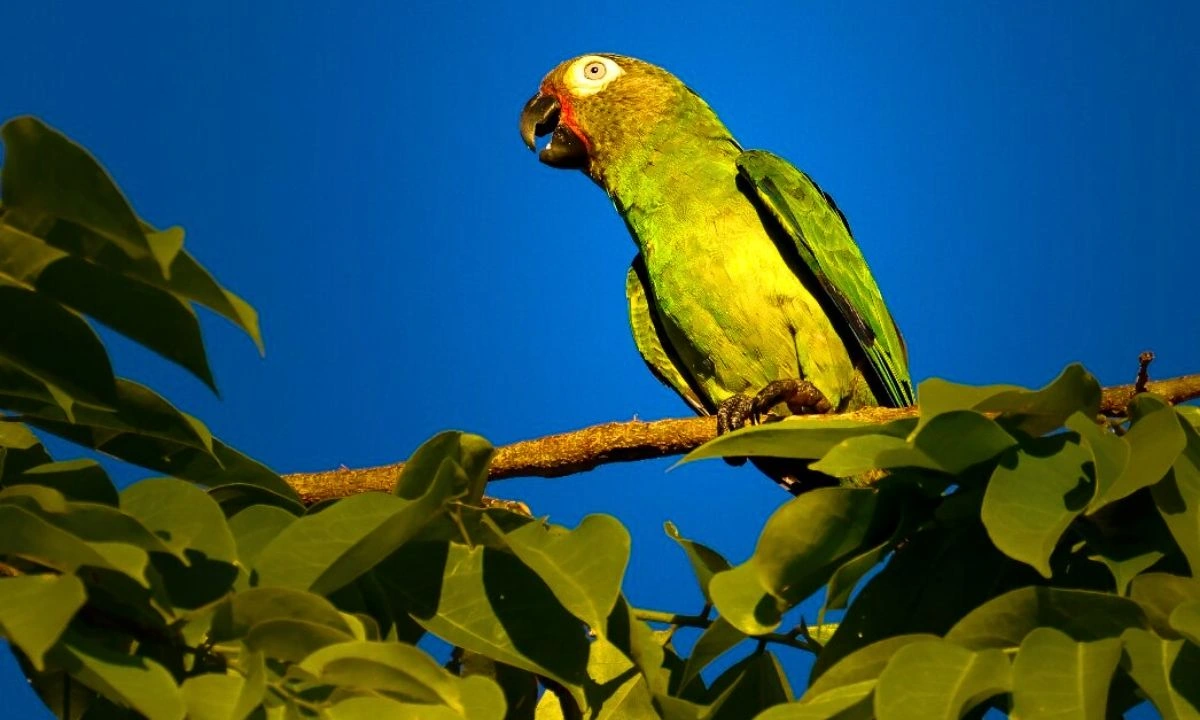
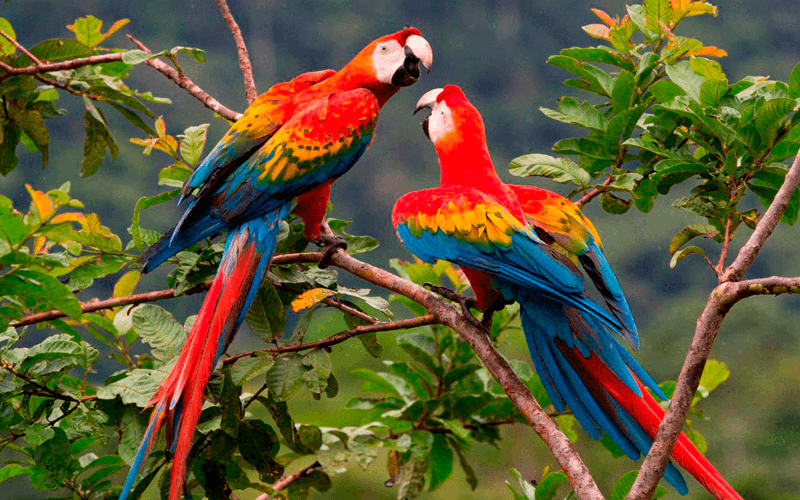
The Manu rainforest is famous for its brightly colored parrots and macaws. Every morning, large flocks of macaws (for example the red-and-green macaw) and parrots gather at the clay licks (clay deposits) to consume essential minerals. This phenomenon creates an impressive display of color in the jungle. Watching hundreds of macaws fly in formation or descend onto the clay hills at dawn is a unique experience. In addition to macaws, Manu is home to different species of vividly colored parrots, toucans, and other tropical birds that fill the forest with sound and movement.
Giant River Otters
One of the most emblematic species of Manu is the giant river otter, also called river wolf. These otters, nearly one meter long with shiny brown fur, spend much of their lives in the calm waters of oxbow lakes. They are curious and social: you will see them swimming in groups, gliding among water lilies or resting on logs. Manu river tours include boat rides specifically designed to observe giant otters in their natural habitat. They are very active at dawn and dusk—spotting an otter in Manu is unforgettable!
Amazonian Tapir
The Amazonian tapir – known locally as sachavaca – is the largest land mammal in the Amazon. This animal, with a robust body and flexible snout, inhabits riverbanks and flooded areas of Manu. It mainly emerges at dusk to feed on fruits and aquatic plants. Despite its size (it can weigh up to 300 kg), the tapir is very elusive. Its role in the ecosystem is valuable: it disperses seeds and helps keep the forest healthy. Visitors to Manu remember it as one of the most special species of Amazonian wildlife.
Jaguar
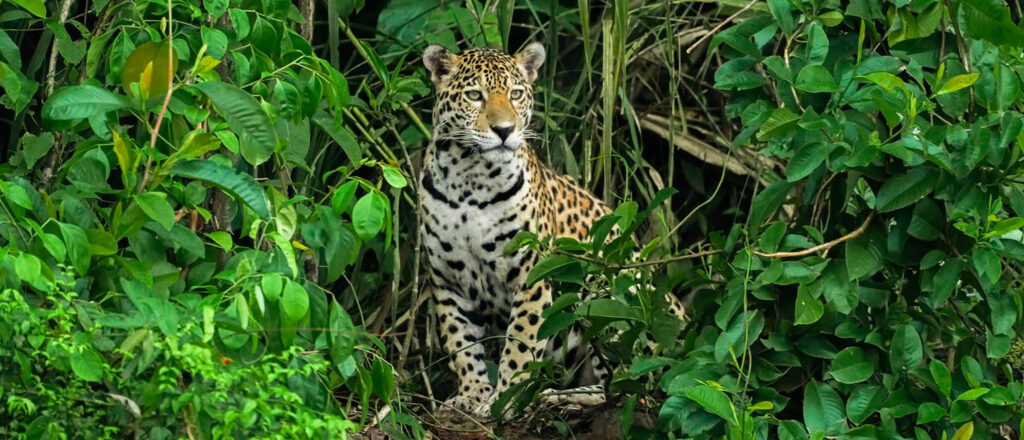
The jaguar is the great feline of the Amazon and, without a doubt, the “king” of Manu’s lowlands. With spotted fur and powerful musculature, the jaguar can reach nearly 2 meters in length. It is very solitary and difficult to see, as it moves stealthily through the jungle and often hunts at night. However, Manu is one of the few places where genuine sightings in the wild have occurred. Night tours along rivers and sandy banks offer the best opportunities to hear or glimpse this impressive feline from afar. Catching sight of a jaguar, even briefly, is a dream come true for many travelers.
Monkeys
The Manu rainforest is home to at least 13 species of monkeys, from small marmosets to large spider monkeys. Among them are the tiny pygmy marmoset, the smallest monkey in the world, and the agile spider monkey, with its long limbs. Howler monkeys, sakis, capuchins, and tamarins also live here. Sometimes you will hear the distant calls of howler monkeys at dusk. During guided hikes, it is common to see several monkeys jumping between trees or eating fruit, which especially delights younger visitors.
Birds
More than 1,000 species of birds live in the Amazon rainforest of Manu. In addition to the previously mentioned macaws, toucans, and parrots, others stand out such as the Andean cock-of-the-rock – Peru’s national bird with bright red plumage – and the powerful harpy eagle, with its enormous talons. Each species has a distinct call that fills the jungle with morning melodies. The abundant vegetation and tropical climate create the perfect setting for these birds. For this reason, Manu is considered one of the best places in the world for birdwatching.
Other Wild Animals
The fauna of Manu also includes deer, peccaries, tapirs (already mentioned), caimans and turtles in the rivers, as well as colorful poison frogs and exotic butterflies. You can also find sloths slowly climbing trees. At night, with a bit of luck, you may hear the howls of small civets or spot forest rabbits and small rodents.
Birds and Biodiversity in Manu National Park
The Manu National Park is a true ornithological paradise. Its biodiversity includes around 1,030 types of birds, a figure that makes this park a global biodiversity hotspot. Among the birds are the scarlet Andean cock-of-the-rock, rainbow-billed toucans, pacaranas, and hummingbirds. In the treetops, the majestic quetzal can be seen, and in the skies above, eagles and hawks soar. Each species plays its role: some disperse seeds, others control insects or rodents. Scientists estimate that Manu hosts more than 10,000 species of insects (more than 1,300 butterflies), which explains the abundance of birds that follow them. Ultimately, the birds of Manu make this place a unique destination for observing wildlife.
Reptiles, Amphibians, and Other Animals of Manu
The herpetofauna of Manu is also remarkable. More than 130 species of reptiles and 158 species of amphibians have been recorded here. Colorful poison dart frogs, tree frogs, iguanas, geckos, and all kinds of snakes live in this region. From the sinuous movement of harmless boas and anacondas to elusive venomous snakes— all avoid humans and are rarely seen. In the forests, river crocodiles and turtles also inhabit the area. Many of these species are highly sensitive to climate change, and the conservation of Manu is vital for their survival. Amazonian twilight can bring the sounds of toads and small frogs, completing the rich symphony of the rainforest.
Wildlife Observation Tours in Manu
The best way to enjoy the wildlife of Manu National Park is through authorized guided tours. SERNANP requires visitors to hire accredited tour operators, ensuring responsible and safe travel experiences. These tours include daytime and nighttime hikes, boat rides along the Madre de Dios and Manu rivers, and stays in comfortable lodges deep in the jungle. With expert guides, you will learn to track animals, recognize their footprints, and listen to their calls.
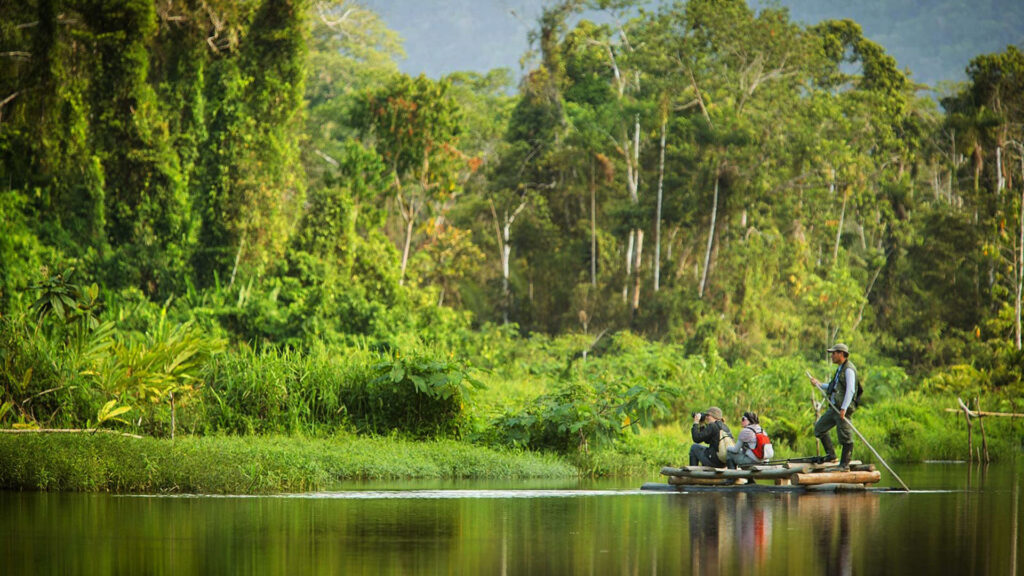
The Manu wildlife tours turn the adventure into an unforgettable experience. They are designed for all audiences, including families with children interested in nature. The dry season (April to November) is ideal for spotting animals along the riverbanks. Many packages include basic equipment (binoculars, rain boots) and meals, allowing travelers to focus on admiring the fauna.
To experience this unique adventure, plan ahead. Book your tour with us to ensure expert guides and full logistical support to discover the amazing wildlife of Manu National Park!