The Manu National Park, a jewel of global biodiversity and a Natural World Heritage Site, is one of the most fascinating destinations for travelers seeking discovery and adventure. When planning a trip, one of the main questions travelers ask is what activities to do in Manu National Park. With more than 1.9 million hectares, it protects ecosystems ranging from Andean cloud forests to the Amazon rainforest, sheltering an enormous diversity of flora and fauna.
Traveling to Manu allows visitors to enjoy unique experiences such as birdwatching, wildlife spotting, river excursions, and interaction with indigenous communities that preserve their ancestral traditions.
Where Manu Is Located and How to Get There from Cusco
The Manu National Park is located between the regions of Cusco and Madre de Dios, in southeastern Peru. Its territory extends from high Andean zones to the Amazon rainforest, making it one of the most biodiverse places on the planet.
The most commonly used route to reach Manu begins in the city of Cusco. The journey combines road travel and river navigation, allowing travelers to appreciate the transition from Andean landscapes to the tropical rainforest. The trip lasts between 8 and 12 hours, depending on weather conditions and the stops made along the way.
Main Route from Cusco
| Route Segment | Approximate Altitude | Main Attractions |
| Cusco – Ninamarca | 3,300 m – 3,500 m | Agricultural valleys, Ninamarca Chullpas (Lupaca Culture). |
| Ninamarca – Paucartambo | 2,900 m | Colonial town, Carlos III Bridge, folkloric culture. |
| Paucartambo – Acjanaco | 3,800 m | Tres Cruces viewpoint, official entrance to the National Park. |
| Acjanaco – San Pedro | 1,600 m | Cloud forest, observation of the Cock-of-the-rock and orchids. |
| San Pedro – Pilcopata | 600 m | High jungle, coca plantations, and rescue centers. |
| Pilcopata – Atalaya | 500 m | River port, beginning of navigation along the Alto Madre de Dios River. |
There are also flights from Cusco to Boca Manu or nearby communities, although most travelers prefer the overland route to enjoy the ecological transition between the Andes and the Amazon.

What Activities to Do in Manu National Park
Exploring Manu requires a well-structured itinerary that allows travelers to experience the different layers of the rainforest. When considering what activities to do in Manu National Park, travelers should distinguish between the experiences available in the Cultural Zone (buffer area) and the Reserved Zone (the heart of the park with restricted access).
1. Birdwatching and the Cock-of-the-Rock Ritual
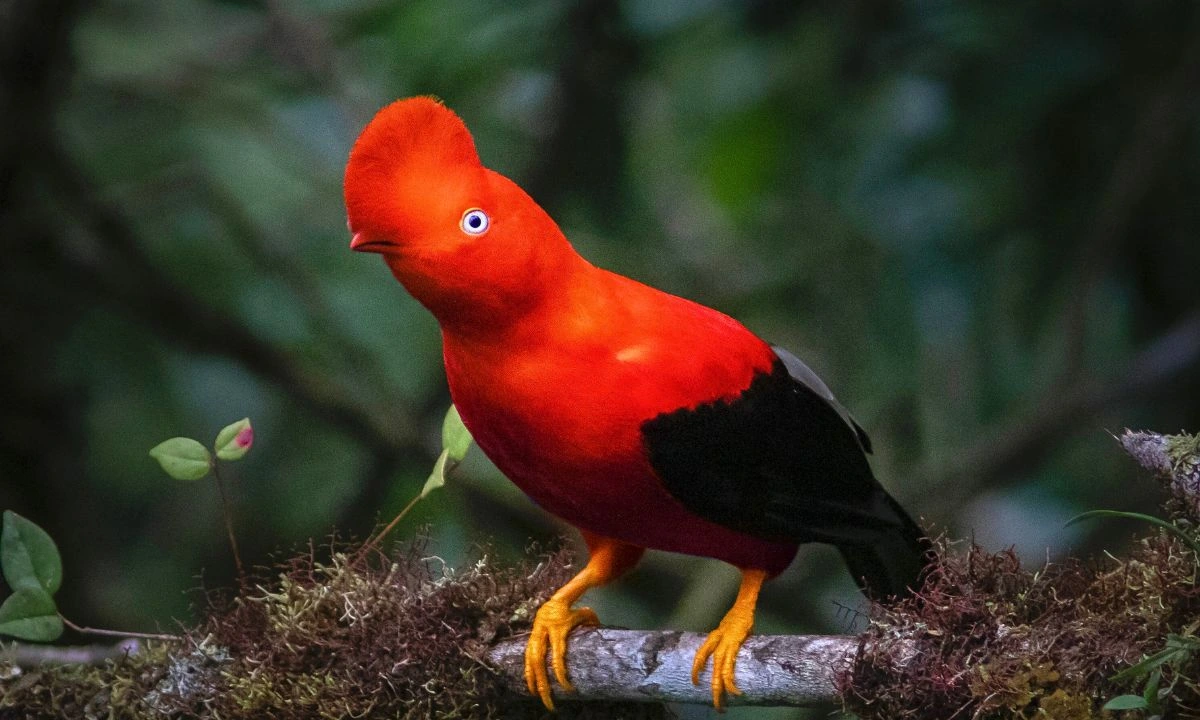
Manu is, without question, the number one destination for ornithology. One of the best things to do in Manu is visiting the “leks” or display sites of the Cock-of-the-rock (Rupicola peruvianus) in the San Pedro sector. During the early morning hours, the males with their intense orange plumage perform a competitive ritual dance to attract females, producing guttural sounds and rhythmically jumping among the branches of the cloud forest. This activity not only allows visitors to see Peru’s national bird in its wildest state, but also to identify other species such as mountain toucans, quetzals, and various types of hummingbirds that frequent the specialized gardens of local lodges.
2. River Navigation and Wildlife Spotting in the Oxbow Lakes
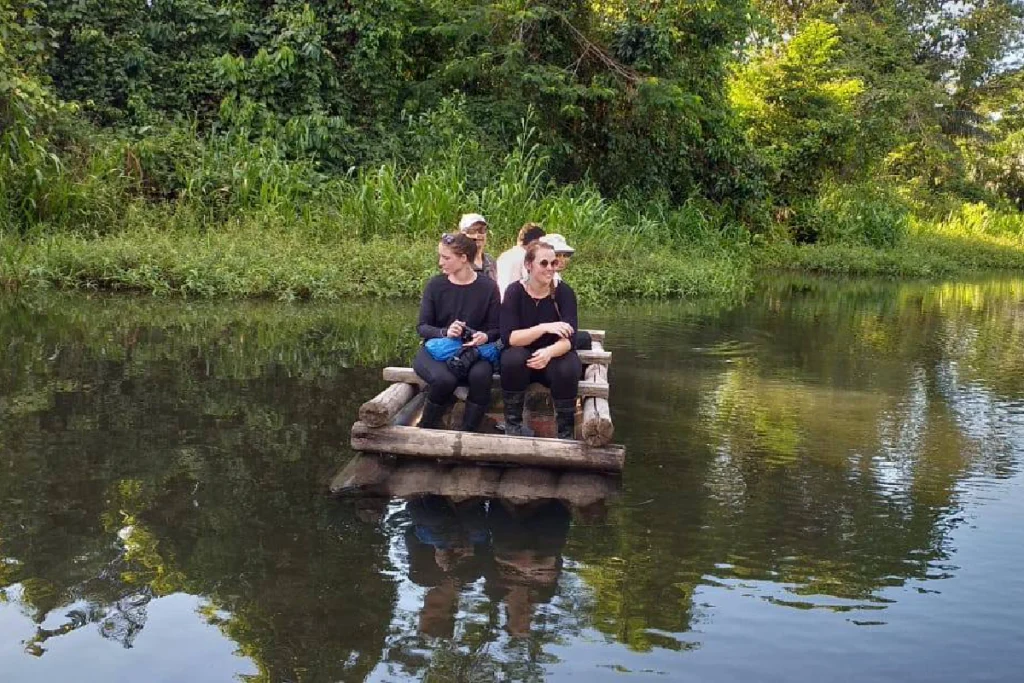
The oxbow lakes, or lagoons formed by abandoned river meanders, are crucial centers of biological activity. In the Reserved Zone, silent catamaran navigation across Cocha Salvador is essential for those seeking what to see in Manu. These lagoons are home to families of giant otters, which can be observed fishing and socializing at an astonishingly close range. In addition, the shores of the oxbow lakes are often inhabited by black caimans, hoatzins (prehistoric birds), and tiger herons. For an elevated perspective, many of these lagoons feature observation towers up to 20 meters high, allowing visitors to monitor the forest canopy in search of sloths, macaws, and birds of prey.
3. Visit the Macaw and Parrot Clay Licks
An unmatched visual and auditory spectacle takes place at the clay licks. These natural clay walls along the rivers are visited daily by hundreds of birds from the parrot family. Red, green, and blue macaws, along with parrots and parakeets, gather at dawn to lick the clay, which provides essential mineral salts and helps detoxify their bodies from the alkaloids found in the fruits they consume. This activity is one of the most appreciated by wildlife photographers due to the explosion of colors created when entire flocks take flight simultaneously at the slightest sign of danger.
4. Jaguar Safaris on the Manu River
Although spotting a jaguar requires patience and luck, Manu National Park is one of the best places in the world to achieve it. During the months from May to September, when water levels drop and extensive sandbanks form, the jaguar (Panthera onca) often appears along the riverbanks to rest or hunt capybaras and caimans. Tours navigating the Manu River toward the Reserved Zone include long hours of silent river patrols, maximizing the chances of encountering the largest feline in the Americas resting on fallen logs or stealthily walking along the shoreline.
5. Cultural Immersion with the Matsigenka and Yine Communities
Responsible ethnotourism is a vital part of the Manu experience. Visiting communities such as Santa Rosa de Huacaria or participating in programs at Casa Matsigenka allows travelers to understand the ancient relationship between humans and the forest. These visits include:
- Craft Workshops: Making necklaces with palm seeds and weaving with natural fibers.
- Survival Techniques: Demonstrations of archery, traditional fishing, and the use of medicinal plants such as cat’s claw and chuchuhuasi.
- Stories and Legends: Evening sessions where community elders share myths about the origin of the world and the spirits of the forest.
- Amazonian Gastronomy: Opportunity to try traditional dishes such as Juane (rice with chicken wrapped in bijao leaves) or Patarashca (fish grilled inside leaves).
6. Night Hiking and Herpetofauna Exploration
Guided night hikes are essential for those who want to discover the world of insects, arachnids, and amphibians. With the help of flashlights, it is possible to spot tarantulas, neon-colored tree frogs, snakes, and a wide variety of insects camouflaged within the vegetation. In addition, nighttime boat safaris allow visitors to observe the glowing eyes of white and black caimans along the riverbanks, an exciting experience that reveals the density of aquatic predators in the region.
7. Adventure Activities: Canopy and Zipline
For adventure seekers, the Cultural Zone offers infrastructure designed to experience the rainforest from above. The Canopy Walk consists of hanging bridges located more than 25 meters above the ground, connecting platforms in the treetops of giant trees, ideal for observing species that rarely descend to the forest floor, such as howler monkeys. Likewise, some tourism concessions feature zipline systems that allow visitors to glide above the forest canopy, combining adrenaline with unique panoramic views of the Amazon basin.

The Manu National Park is not just a tourist destination; it is a sanctuary of life that requires respect, preparation, and an adventurous spirit. Careful planning regarding what activities to do in Manu National Park is the key to turning your trip into one of the most incredible experiences of your life.
Contact us to book tours to Manu National Park. We are the best agency with experience, committed to sustainable tourism and the conservation of this Amazon paradise.