
With this Manu travel guide you can plan an unforgettable adventure in the Peruvian jungle without worries. The Manu National Park (a UNESCO World Heritage Site) stretches from the Andes to the Amazon. Its biological diversity is enormous: it includes cloud forests, wetlands, and tropical lowlands. Here you will find how to get there from Cusco, what wildlife and flora you will see, the most exciting activities, essential equipment, and practical tips for your trip.
Manu National Park from Cusco
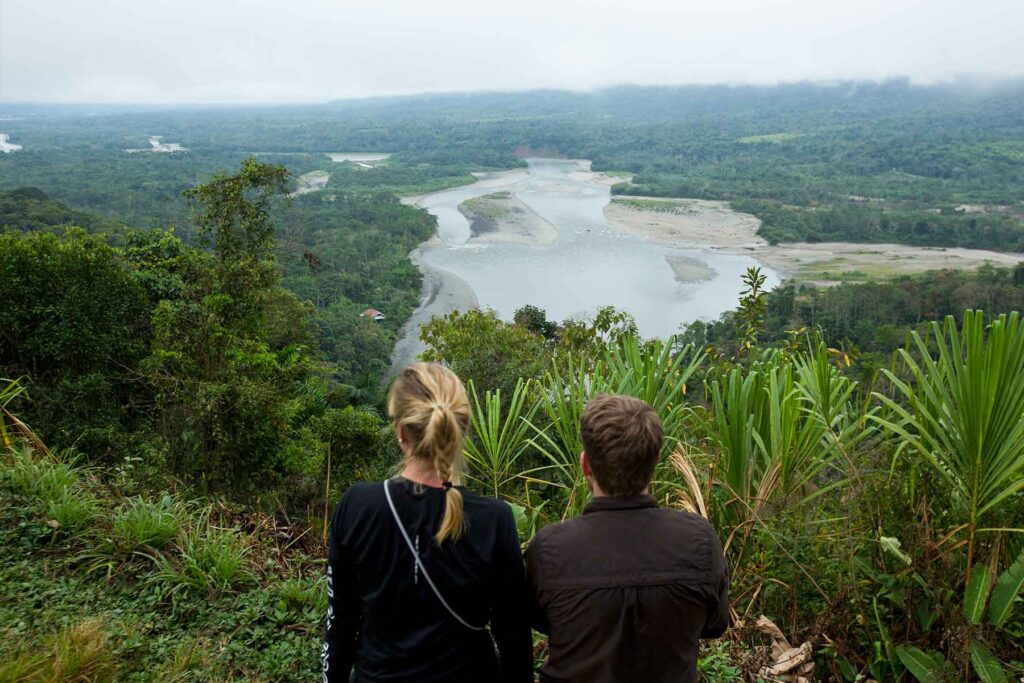
Traveling to Manu from Cusco is a true expedition that begins by crossing the Andes into the tropical jungle. The typical route leaves Cusco toward Paucartambo and passes through cloud forests to Pilcopata. It then continues by roads and rivers until reaching the banks of the Alto Madre de Dios River in Atalaya. It is about 224 km (around 8 hours by car) to Atalaya and then another 137 km (7 hours) downstream by boat to the Manu entry points. This journey changes the landscape from snow-capped mountains to dense, humid jungle. During the trip you will enjoy spectacular views as you descend into the Amazonian heart of Manu. Tours from Cusco usually include transportation in all-terrain vehicles and boats, and it is mandatory to use operators authorized by SERNANP to visit the Manu National Park.
Wildlife of Manu National Park
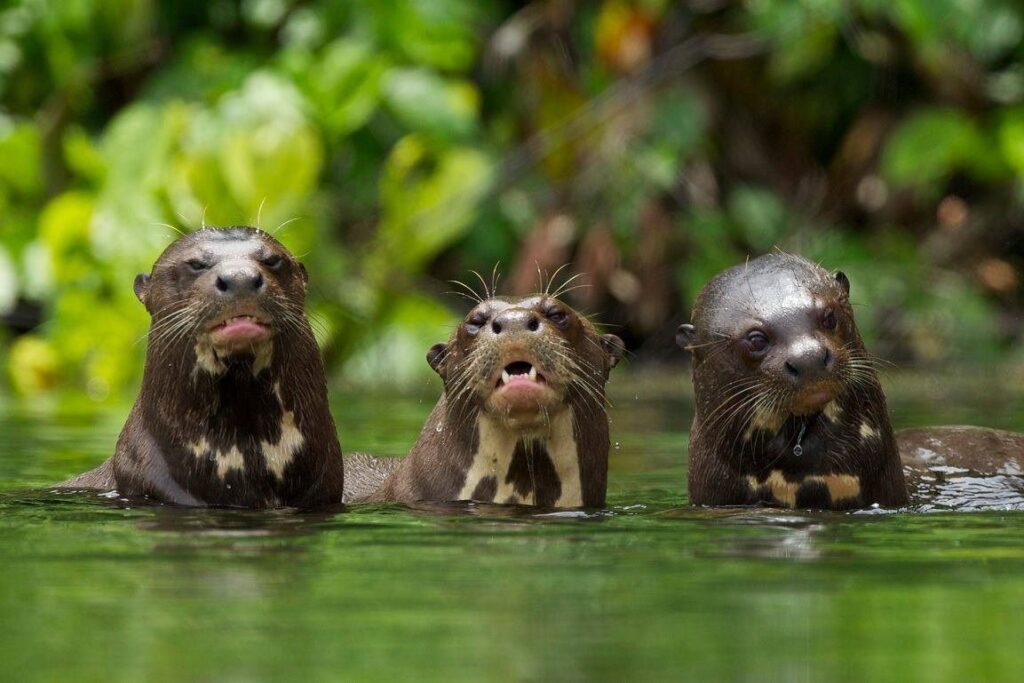
Manu National Park is a biodiversity sanctuary with mountains, cloud forests, and lowland Amazon rainforest. It is home to more than 850 species of birds, including quetzals, toucans, macaws, and the famous Andean cock-of-the-rock. Monkeys, spectacled bears (Andean bears), tapirs, deer, and many other wild creatures also inhabit the area. In the lakes (cochas) and rivers of Manu, it is possible to see river otters, caimans, and giant otters. Even the majestic jaguar roams this protected habitat.
The wildlife of Manu stands out for its variety. You will be able to hear birds singing at dawn in the jungle, see monkeys jumping between trees, and perhaps be surprised by the appearance of a jaguar or a tapir along the riverbank. The “clay licks” of Manu (mineral-rich earth walls) attract parrots and macaws every morning to feed on salt. In short, this destination offers incredible wildlife watching in Manu and birdwatching in Manu in a unique natural setting.
Activities During Tours in Manu National Park
With this Manu travel guide, you will discover a series of activities that will allow you to immerse yourself in the park’s incredible biodiversity. During tours to Manu, visitors can enjoy unique experiences such as:
- Bird and wildlife watching: Spot macaws, parrots, toucans, monkeys, and other animals in their habitat.
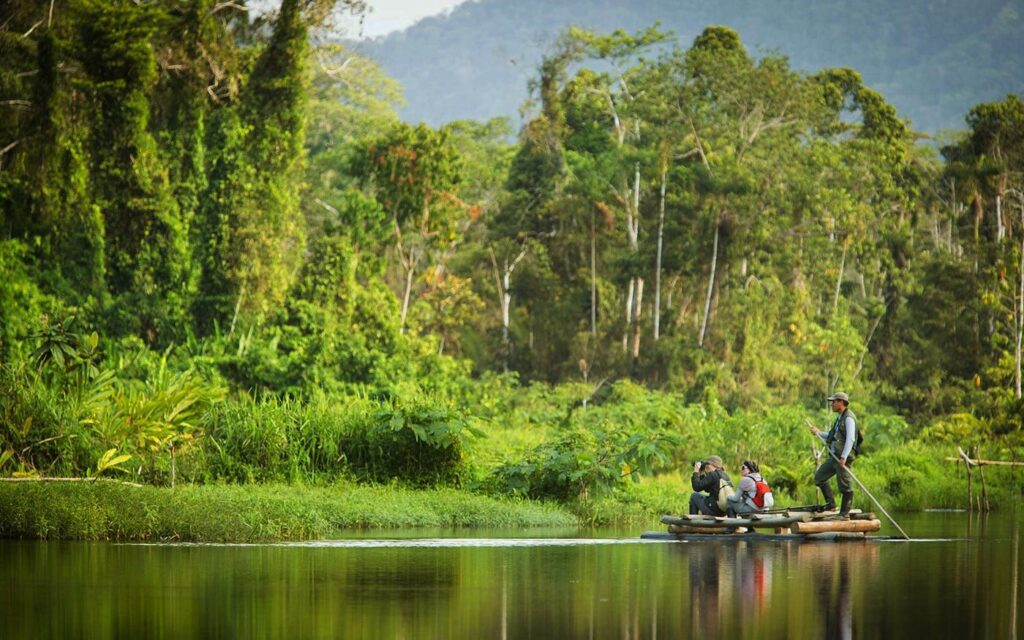
- Boat and catamaran rides: Navigate rivers and lakes in the park to discover cochas and see caimans, turtles, and aquatic birds from the water.
- Guided hikes: Walk along trails in the cloud forest or Amazon rainforest to learn about orchids, bromeliads, and terrestrial wildlife.
- Visit to parrot clay licks: Go to natural feeding sites where parrots and macaws gather in large numbers to eat mineral-rich clay.
- Night expeditions: Evening tours to find nocturnal animals, such as caimans with glowing eyes and amphibians.
- Cultural interaction: Learn about native Matsigenka and Quechua communities that inhabit the buffer zone.
Short Tours and Full Tours in the Manu Jungle
There are options for all timeframes. Short tours of 3 to 4 days usually follow the high-Andean route (Cloud Forest and Paucartambo to Pillcopata) and reach the level of the Manu River before returning. These tours are ideal if you have only a few days and want an introduction to the jungle. The high-Andean route can be completed in one additional day of travel.
Full tours of 5 to 7 days descend deeper along the Manu River. They include boat trips along the Madre de Dios River, visits to places such as Pakitza, and exploration of several cochas (for example Salvador, Otorongo) where there are lodges and observation towers. At least 6 days are recommended to fully enjoy this route. During that time, you will experience everything from the cloud forest zone to the true lowland jungle. Depending on the operator, some tours combine Cusco – Paucartambo – Manu, while others depart from Puerto Maldonado by road and river.
Essential Equipment for Traveling to Manu
For your trip to Manu, it is essential to bring the following:
- Comfortable cotton clothing: long-sleeved shirts and pants to protect you from mosquitoes.
- Rain jacket or poncho: the jungle is humid, especially during the rainy season.
- Hiking boots or trekking shoes: with non-slip soles for the trails.
- Hat or cap and sunglasses: to protect you from the sun.
- Insect repellent and sunscreen: essential to avoid bites and sunburn.
- Binoculars and camera: to enjoy birdwatching and wildlife observation.
- Daypack: with water, snacks, and supplies for your personal gear.
- Flashlight or headlamp: useful for night hikes and if you camp.
- Basic first aid kit: with personal medications and first aid supplies.
In general, pack as light as possible, avoiding disposable plastics (bring cloth bags) and wearing neutral-colored clothing. Always wear comfortable clothing and accessories suitable for Manu’s climate.
Tips for Traveling to Manu National Park
- Book with authorized operators: It is mandatory to enter with guides certified by SERNANP.
- Register upon entry: Pass through control checkpoints and register your visit for greater safety.
- Follow park ranger instructions: They ensure your safety and the conservation of the park.
- Respect nature: Do not disturb or feed animals. Do not approach nests or extract flora or fauna.
- Manage your waste: Pack out all your trash and avoid single-use plastics (bags, bottles, straws).
- Protect your health: Use repellent and sunscreen (for sun and mosquitoes).
- Bring extra light and power: Carry additional batteries or portable chargers for your devices.
- Check the weather: Manu is hot and humid. Bring extra clothing and stay hydrated.
By following these tips and the SERNANP motto “Allies for Conservation,” your trip will be safe and sustainable.
Frequently Asked Questions
What is the best time to visit Manu?
The recommended season is from April to November. During these months, rainfall decreases and conditions are better for hiking and wildlife observation. December through March is the peak rainy season, with more slippery roads and flooded trails.
What wildlife and birds can I see in Manu National Park?
In our Manu travel guide, we highlight that the park hosts impressive wildlife. Among mammals are monkeys, tapirs, deer, and the spectacled bear. It is possible to see caimans and otters in the rivers. As for birds, up to 850 species of birds have been identified in Manu, including macaws, parrots, toucans, the Andean cock-of-the-rock, and many more. It is common to observe jaguars or their tracks in the जंगल. Each tour offers opportunities for birdwatching in Manu and observation of the lush biodiversity of Manu.
How can I book my Manu tour?
To book your Manu Travel Guide with experts, we recommend contacting authorized operators. We guarantee a professional and safe service. Contact us and book your tour with us. Our local guides will take you to experience the adventure of the Peruvian jungle with confidence and comfort.