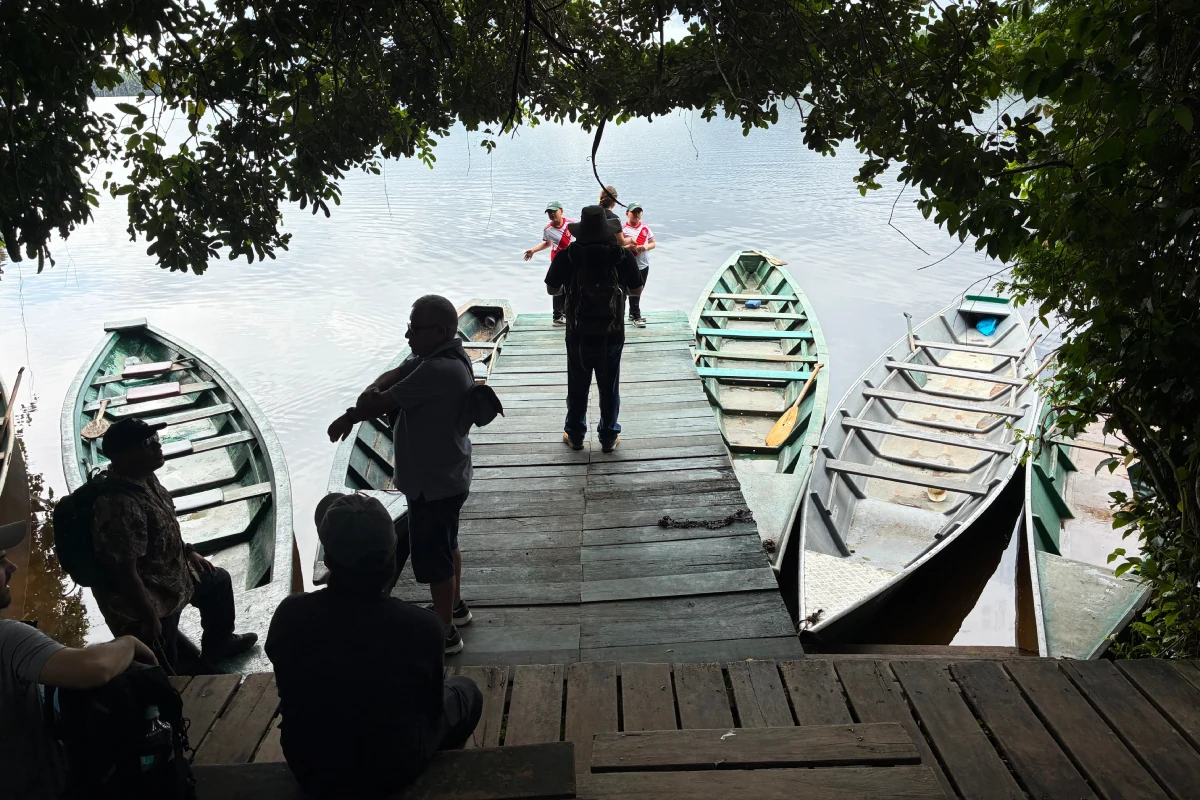
This city is the starting point for one of the most incredible experiences you can have: total immersion in the Amazon. If you are wondering what to do in Puerto Maldonado, you should know that this destination is not just a point on the map, but the gateway to the Tambopata National Reserve and Bahuaja-Sonene National Park. Below, we will tell you about what to do in Puerto Maldonado.
How to Get to Puerto Maldonado
There are two main ways to access this paradise: by air and by land.
Access by Air: Speed and Comfort
For most tourists coming from other continents, flying is the preferred option. The Padre Aldamiz International Airport (PEM) is located just 10 kilometers from the city center and receives daily flights.
| Flight Route | Estimated Duration | Frequency |
| Lima – Puerto Maldonado | 1 hour and 45 minutes | Daily (Multiple schedules) |
| Cusco – Puerto Maldonado | 45 to 55 minutes | Daily (Mornings) |
Flying from Lima is the most efficient option for those starting their trip in the Peruvian capital. On the other hand, the connection from Cusco is ideal for travelers who want to combine the history of the Incas with Amazonian biodiversity in a single itinerary.

Access by Land: The Interoceanic Highway Route
If you prefer a more affordable option or want to enjoy the changing scenery from the Andes to the Amazon plain, you can choose to travel by bus. The Southern Interoceanic Highway is a paved road that has reduced travel times.
- From Cusco: The journey takes approximately 9 to 12 hours. Many companies offer overnight buses that allow you to save on one night of accommodation and arrive in Puerto Maldonado early in the morning.
- From Lima: The trip is considerably longer, exceeding 30 hours, so it is generally recommended only if you plan to make intermediate stops in cities such as Arequipa or Cusco.
What to See and Visit in Puerto Maldonado?
Once in the city, you will realize that there is a wide variety of fascinating places to explore before venturing deep into the jungle.
1. The Obelisk
The Biodiversity Obelisk is the city’s most iconic monument. It is a 47-meter-high tower with 15 floors. Its design is very special, as it is inspired by the shape of a Brazil nut tree, a species that is fundamental to the local economy and forest protection.
By climbing to its viewpoint, you will get a 360-degree panoramic view of the entire city, the winding rivers, and the vast jungle stretching to the horizon.
2. Plaza Grau
Located very close to downtown, Plaza Grau is a historic meeting place that offers one of the most spectacular views of the river surroundings. From this point, you can appreciate the confluence of the Madre de Dios and Tambopata rivers. It is impressive to see how waters of different colors merge to form an even larger channel.
3. Main Square
The Puerto Maldonado Main Square is the social center of the city. Inaugurated in 1923, it stands out for its clean design and tropical vegetation, including mango trees and palm trees. One detail you should not miss is the gazebo with clocks, which was donated by the Japanese colony almost a century ago. Around the square you will find the best restaurants, bars, and ice cream shops where you can try local flavors while observing the relaxed and friendly rhythm of life in the jungle.
4. Serpentarium
For those who want to get close to Amazonian reptiles, the Tropifauna Serpentarium is a must-visit. This rescue center houses various species of snakes, lizards, and turtles that have been recovered. Specialists explain the importance of these animals in the ecosystem and help visitors overcome fear by teaching them how to differentiate between venomous and harmless species.
5. Botanical Garden
The UNAMAD Botanical Garden (National Amazonian University of Madre de Dios) is a refuge of peace and knowledge. Here, hundreds of species of medicinal plants, timber trees, and exotic flowers are preserved. Walking along its trails is like reading a living book about the natural pharmacy that the jungle offers its inhabitants.
6. Sandoval Lake
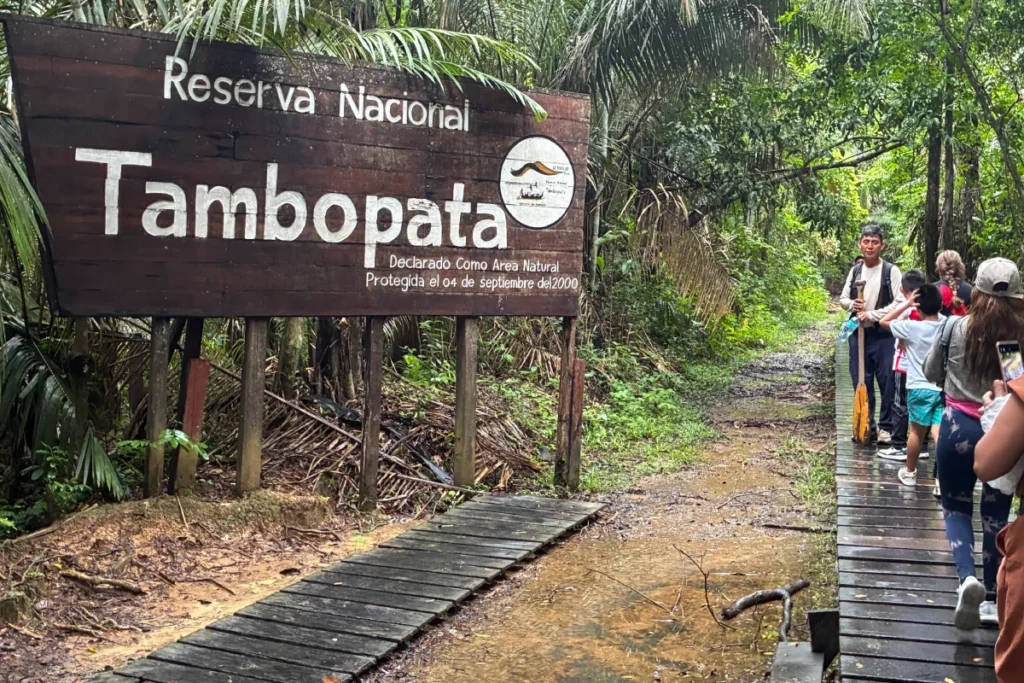
If there is one place that defines the beauty of the region, it is Sandoval Lake. Located within the Tambopata National Reserve, this oxbow lake is a sanctuary for wildlife. To get there, you must navigate the river and then take a 45-minute walk along a trail surrounded by giant trees.
| Species to Observe | Characteristics | Sighting Probability |
| Giant Otter | Endangered aquatic carnivore, very noisy and social. | High (Early morning) |
| Black Caiman | The largest predator in the lakes, can measure up to 4 meters. | Medium (During the night) |
| Howler Monkeys | Known for their powerful roar that can be heard for miles. | High (In the treetops) |
Navigating Sandoval Lake in a row canoe, in complete silence, is a mystical experience that allows you to connect with nature in its purest state.
7. Colorado Clay Lick
The Colorado Clay Lick is one of the most colorful spectacles on the planet. A «clay lick» is a clay cliff where hundreds of macaws, parrots, and parakeets gather every morning to feed on the minerals in the soil. This process is vital for their health, as the minerals neutralize the toxins from the fruits they consume in the jungle. Watching the sky fill with red, blue, and yellow colors while the birds scream and flutter is something you will always remember.
8. Valencia Lake
About three hours away by boat is Valencia Lake, a less crowded but equally fascinating destination. This lake is famous for its rich fishing resources, being home to paiche (the largest scaled fish in the Amazon) and doncella catfish. Around it live communities dedicated to Brazil nut harvesting, offering a unique opportunity to learn about the sustainable lifestyle of local inhabitants.
9. Billinghurst Bridge
The Continental Bridge, also known as the Billinghurst Bridge, is an engineering marvel that crosses the Madre de Dios River. With its 722 meters in length, it is the longest bridge in the country and a symbol of regional integration.
10. Artisan Tourist Center
Here you will find products made by artisans from various native communities, such as the Ese Eja. The offerings include seed jewelry, textiles with natural dyes, and wood carvings representing local wildlife. By shopping here, you directly support the economy of Indigenous families and the preservation of their culture.
11. Butterfly House
Conveniently located near the airport, the Tambopata Butterfly House is a magical garden where you can observe the complete life cycle of these insects. They have more than 40 species on display, including the famous metallic blue Morpho butterfly.

Puerto Maldonado Gastronomy: Traditional Dishes
Food in the jungle is an adventure for the palate. Fresh ingredients are used, many of which grow only in this region of the world. The gastronomy is a blend of ancestral Indigenous techniques and influences from other parts of Peru.
1. Patarashca
This dish is an example of ancestral wisdom. It consists of river fish (such as doncella or dorado) seasoned with salt, garlic, and sacha culantro. The fish is wrapped in bijao leaves and grilled. The bijao leaf not only serves as a natural wrapper, but also gives the meat a smoky and unique flavor while keeping it incredibly juicy.
2. Tacacho with Cecina
It is the most popular dish in the region. Tacacho consists of green plantain balls that are roasted or fried, mashed, and mixed with lard and pork cracklings. They are served with cecina, which is pork smoked with special jungle woods. It is a hearty and energy-filled dish, perfect for starting the day.
3. Juane
The juane is a portable meal that local inhabitants originally carried to the countryside. It is a dough made of rice with palillo (Amazonian saffron), chicken pieces, hard-boiled egg, and olives, all wrapped in bijao leaves and steamed. It has an unmistakable aroma and is the main dish during the San Juan festivities.
4. Timbuche
If you are looking for something comforting, timbuche is a concentrated fish broth. It is prepared with fresh river fish and many aromatic herbs. It is locally known for its restorative properties and for being a source of phosphorus and vitamins.
5. Calabresa
The calabresa is a type of smoked sausage that is very common in the area, especially near the border with Brazil. It is usually served fried or grilled and is an excellent accompaniment for tacacho or regional breakfasts.
6. Inchicapi
The inchicapi is a thick and delicious soup made with free-range chicken, ground peanuts, and corn. The peanuts give it a creamy texture and a roasted flavor that sets it apart from any other soup you have tried. It is a very traditional dish served during family celebrations.
7. Exotic Drinks and Refreshments
The jungle offers a variety of fruits with intense flavors and health benefits.
- Aguajina drink: Made from the aguaje fruit, a palm tree that grows in flooded areas. It is rich in vitamins and has a very refreshing flavor.
- Pihuayo drink: Pihuayo is a fruit with a floury texture that, when blended, produces a thick and highly nutritious drink.
- Chapo: A sweet drink made from cooked ripe plantain blended with water or milk.
- Carachama broth: A broth made with a fish that looks like a living fossil, highly appreciated by locals for restoring energy.

Tours in Puerto Maldonado
Choosing the right tour is essential for having a safe and enriching experience in the Amazon. As we mentioned before, we are the best travel agency and we design our programs with the balance between adventure and conservation in mind.
| Duration | Included Activities | Adventure Level |
| Full Day | Sandoval Lake and jungle hike. | Moderate |
| 3 Days / 2 Nights | Sandoval Lake, caiman search, and canopy walk. | High |
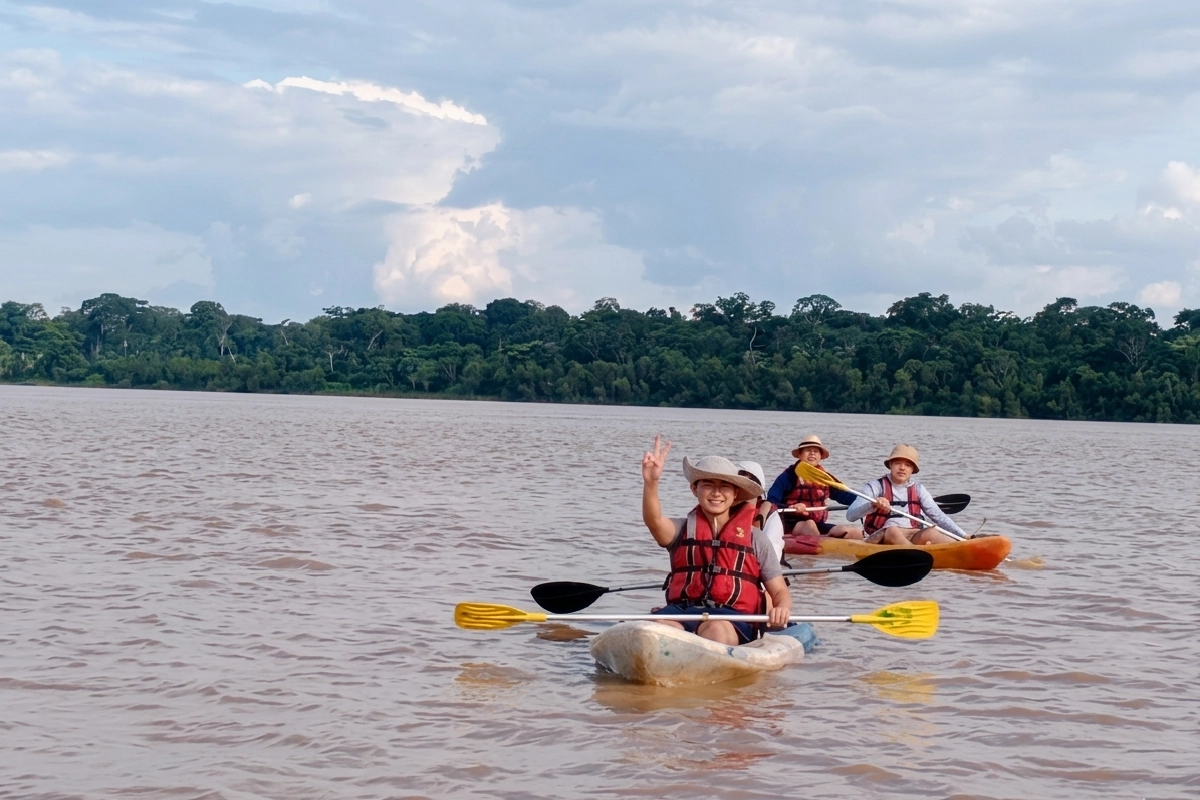
| 4 Days / 3 Nights | Macaw Clay Lick, Kayaking, and visit to native communities. | Very High |
| 5 Days / 4 Nights | Deep immersion in Tambopata and jaguar observation. | Explorer |
Tours usually include transportation from the airport, full meals, accommodation in jungle lodges, and the assistance of expert bilingual guides.
Frequently Asked Questions
It is normal to have questions about what to do in Puerto Maldonado before traveling to such an exotic place. Here we answer the most common doubts so you can travel with complete peace of mind.
1. What is the best time to travel to Puerto Maldonado?
The best time to visit the region depends on what you want to see. The dry season (from May to October) is excellent because the trails are drier and easier to walk, and animals come closer to the rivers. However, the rainy season (from November to April) offers intensely green landscapes and is the best time to see birds and amphibians in full activity.
2. Is it mandatory to get vaccinated against yellow fever?
Although it is not always a strict entry requirement, it is highly recommended to get vaccinated against yellow fever at least 10 days before the trip. This is for your own safety, since you will be in a tropical area inhabited by various mosquitoes.
3. Is there electricity and internet in the jungle lodges?
Most jungle lodges aim to offer a disconnection experience. Therefore, electricity is usually available only during certain hours through generators or solar panels. Internet access may be limited or available only in common areas. It is the perfect opportunity to put your phone aside and enjoy the real sounds of nature.
Puerto Maldonado is much more than a tourist destination; it is a life lesson about the importance of taking care of our planet. The biodiversity you will see here is a treasure that we must all protect together. If you are looking for an experience that combines adventure, flavor, and a deep connection with the earth, this is the place for you.
Do not wait any longer to experience the adventure of your life in the heart of the Peruvian Amazon. We are the best travel agency and we are ready to organize every detail of your expedition to make it perfect, safe, and unforgettable. Contact us and book your tour with us.