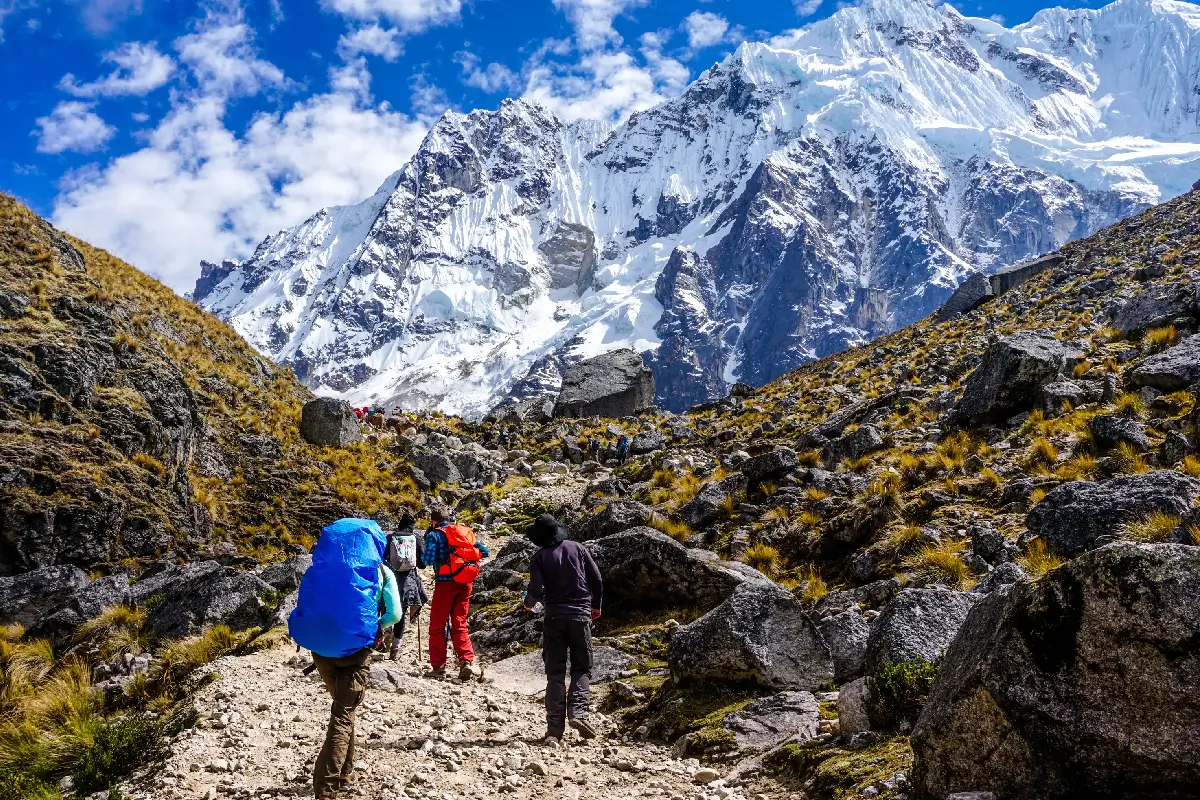
The Salkantay Trek to Machu Picchu is a high-mountain trekking route of approximately 70 to 74 km, usually completed in 4 to 5 days. This journey connects the city of Cusco with the Inca citadel of Machu Picchu, crossing the snow-capped Salkantay Mountain (6,271 m) and spectacular landscapes of lagoons, eternal snow, and cloud forest. The Salkantay adventure stands out for its variety of ecosystems and unique panoramas: from glacial cold to warm cloud forest, passing through Humantay Lake and Andean communities. In fact, National Geographic Adventure magazine considers it one of the 25 best hikes in the world.
What is the Salkantay Trek to Machu Picchu?
The Salkantay Trek to Machu Picchu is an alternative route to the classic Inca Trail that allows travelers to reach Machu Picchu on foot through remote landscapes. It begins near Cusco, first ascending to the Salkantay Pass (4,650 m) and then descending into the cloud forest before finally arriving by train or bus to Machu Picchu. In total, the trek covers about 70–74 km over 4 or 5 days. The highest point is the Salkantay Pass (4,650 m), from where panoramic views of the snow-capped Salkantay Mountain (6,271 m) can be admired.
During the Salkantay Trek to Machu Picchu, travelers enjoy extraordinary landscapes, including the famous Humantay Lake and snow-covered peaks. The route crosses from arid puna grasslands to tropical cloud forests, passing through green valleys and natural hot springs. Typical Andean animals such as llamas, alpacas, vizcachas, and condors can be seen, along with diverse flora including orchids and Andean grasslands. At the end of the trek, after passing through the town of Aguas Calientes, hikers reach the Sun Gate (Inti Punku) and enter the citadel of Machu Picchu to explore its temples and Inca terraces.
Classic 5-Day Salkantay Trek to Machu Picchu
The classic 5-day itinerary divides the Salkantay Trek to Machu Picchu into daily stages. A typical local guide organizes the route as follows:
- Day 1 – Cusco – Mollepata – Soraypampa: Departure from Cusco takes place before dawn toward Mollepata (2,900 m), followed by approximately 7 hours of hiking to Soraypampa (3,900 m), passing by Humantay Lake (4,200 m). Camp is set near Humantay Mountain, enjoying views of eternal ice.
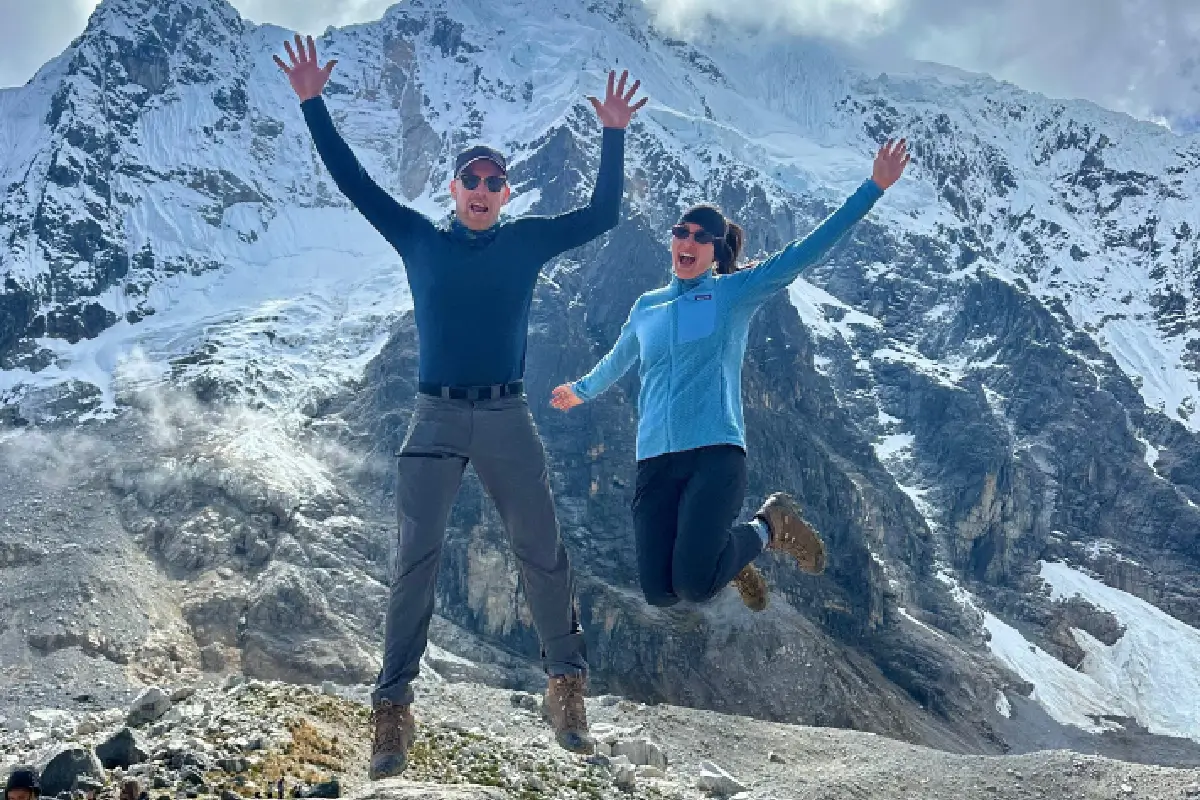
- Day 2 – Soraypampa – Salkantay Pass – Chaullay: After breakfast, the ascent continues to the Salkantay Pass (4,650 m), the highest point of the route. From the pass, panoramic views of the snow-capped Salkantay Mountain can be enjoyed. The trail then descends toward the warmer zone until reaching the village of Chaullay. This day is usually considered the most challenging of the trek.
- Day 3 – Chaullay – Santa Teresa: The trail descends to the Vilcanota River and continues toward the Santa Teresa area. During the journey, hikers cross jungle sections and, at the end of the day, can enjoy the Cocalmayo hot springs in Santa Teresa. The night is spent at a campsite or simple lodge.
- Day 4 – Santa Teresa – Hydroelectric Station – Aguas Calientes: From Santa Teresa, the hike continues toward the Hydroelectric Station. After lunch, the trail follows the Vilcanota River and train tracks until reaching the town of Aguas Calientes, at the foot of Machu Picchu. Here travelers rest before ascending to the citadel the following day.
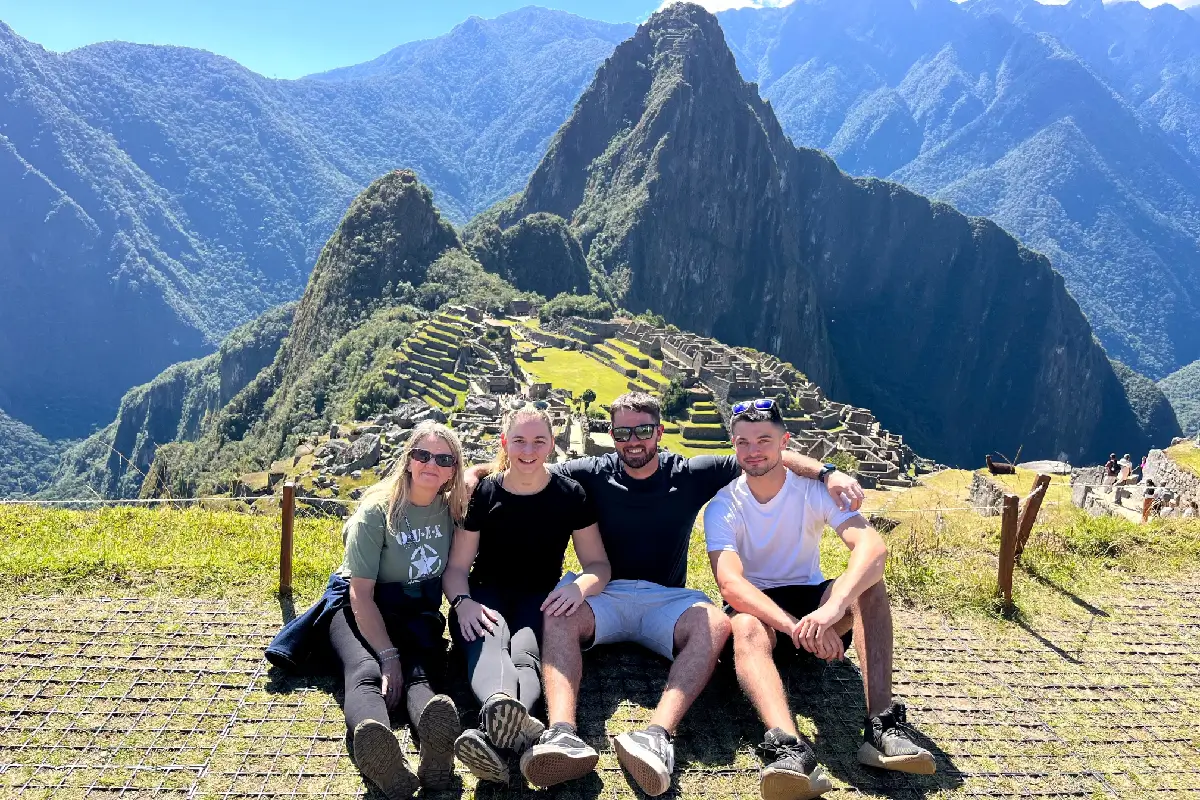
- Day 5 – Aguas Calientes – Machu Picchu – Cusco: The day begins at sunrise with a short bus ride (or a 9 km hike) to the entrance of Machu Picchu. The rest of the day is dedicated to exploring the Inca city with a guided tour, including the Sun Gate and Intihuatana. After the visit, travelers return to Cusco by train and bus.
This 5-day Salkantay Trail tour covers approximately 70 km and offers a balance between high-altitude landscapes and cloud forest, ending at the wonder of Machu Picchu.
What to See and Do on the Salkantay Trek?
During the Salkantay Trek to Machu Picchu tour, there are numerous natural and cultural highlights:
- Humantay Lake: A turquoise glacial lake (4,200 m) at the foot of Humantay Mountain. It is reached by a short detour on the first day and is a perfect spot for photos.
- Salkantay Pass: The mountain pass at 4,650 m is the highest point of the trek. From there, hikers enjoy impressive views of the snow-capped Salkantay Mountain and the Vilcabamba mountain range, a symbol of the journey.
- Cloud Forest: After crossing the Salkantay Pass, the trail descends into tropical cloud forests filled with lush vegetation. This section showcases the great biological diversity of the high jungle.
- Andean Flora and Fauna: Along the route, it is common to see llamas, alpacas, and vizcachas grazing in the highlands, as well as birds such as condors. There are also orchids and Andean grasses (ichu) near the campsites.
- Santa Teresa Hot Springs: On the afternoon of the third day, hikers can stop at the hot springs (Cocalmayo) to relax after the trek.
- Sun Gate (Inti Punku) and Machu Picchu: The final goal of the Salkantay Trek to Machu Picchu is to enter Machu Picchu at sunrise on the fifth day. Travelers enjoy a guided visit through the Inca city, exploring temples and plazas, while marveling at the jungle scenery and Huayna Picchu in the background.
These are just a few examples. At every stage, unique landscapes can be found, making this route an unforgettable experience.
Best Time to Hike the Salkantay Trail
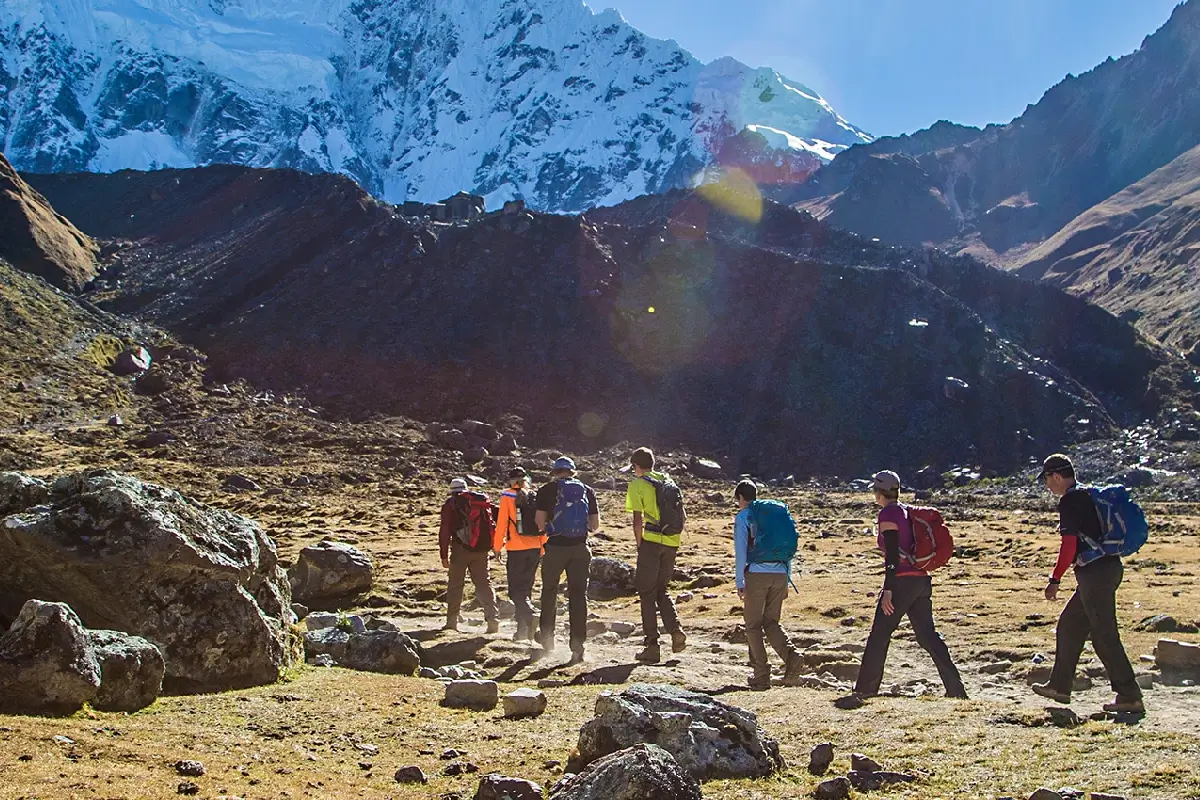
The dry season, from April to October, is ideal for the Salkantay Trek to Machu Picchu. During these months, there is less rainfall and the trails are in better condition. The most recommended months are June, July, and August, when the days are usually clear, although the nights are cold. During the dry season, the days are sunny, but it is important to bring warm clothing for the freezing nights.
During the rainy season (November–March), there may be fog and occasional rain that make the hike more difficult and the trails slippery. For this reason, most tours and hikers prefer to book between April and October to ensure good weather conditions.
What to Pack for the Salkantay Trail to Machu Picchu
The Salkantay Trek to Machu Picchu crosses both cold and warm climates, so it is essential to bring the proper equipment:
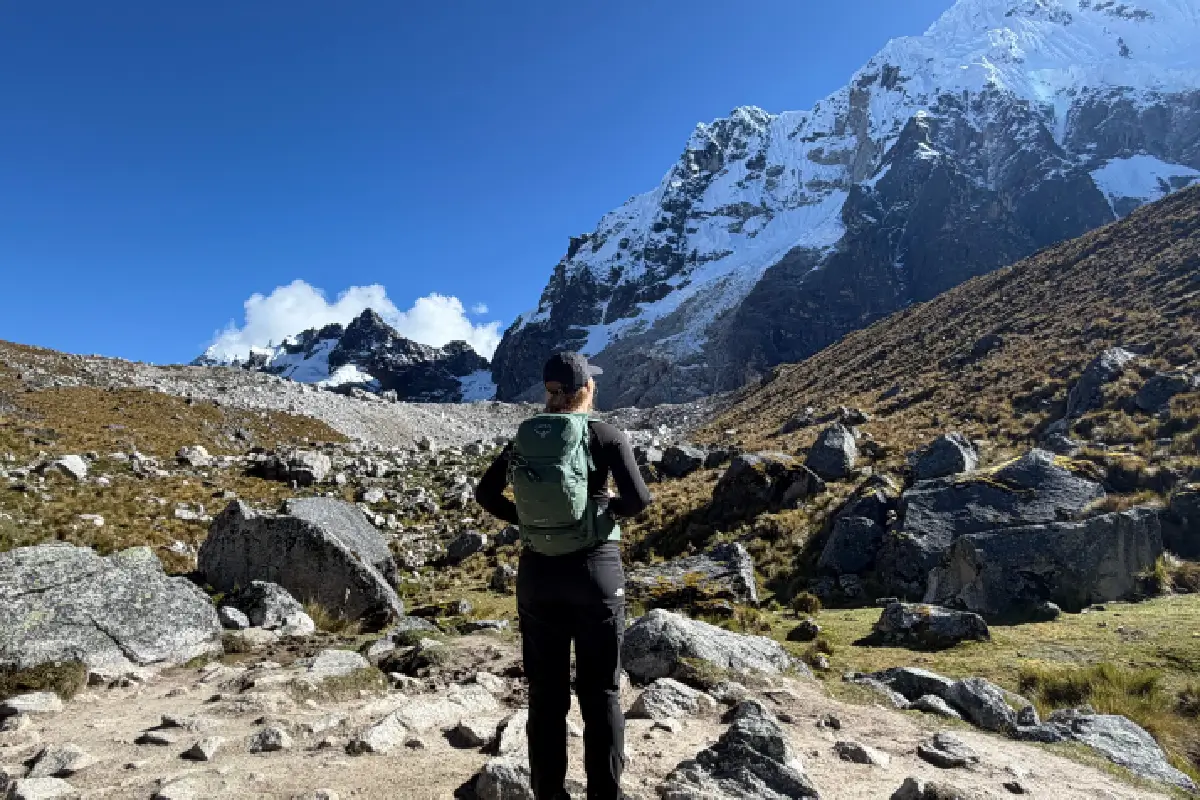
- Thermal clothing and warm layers: It is recommended to wear layered clothing (thermal underwear, fleece, or down jacket) along with a waterproof jacket. Do not forget a hat, gloves, and extra socks for the cold nights.
- Camping equipment: Sleeping bag (suitable for low temperatures) and a headlamp. Trekking companies usually provide tents, but if you are doing the route independently, you must bring your own camping gear.
- Footwear and protection: Comfortable, already broken-in waterproof trekking boots. Also bring a poncho or rain jacket for hiking in the rain. Sunglasses and high-SPF sunscreen are essential, as the sun feels very strong at high altitude.
- Backpack and supplies: A 40–50 L backpack to carry clothes and personal items. A water bottle or hydration bladder (and water purification tablets) to stay hydrated frequently. Bring energy snacks (nuts, energy bars) for long hiking days.
- Other essentials: Headlamp, plastic bag for trash, basic personal hygiene items, and some cash for tips or unexpected expenses.
In summary, pack your luggage thinking about 3 temperature zones: extreme cold at dawn, daytime mountain heat, and cool nights. The most important thing is to stay dry and warm.
Other Alternative Trekking Routes in Cusco
Besides Salkantay, there are other popular trekking routes in the Cusco region to reach Machu Picchu or explore the area:
- Classic Inca Trail (4 days): The original 4-day route (42 km) to Machu Picchu. It requires reservations months in advance due to limited permits. It includes several Inca archaeological sites along the way.
- Short Inca Trail (2 days): A shorter version of the Inca Trail for travelers with limited time.
- Lares Trek (3–4 days): A cultural route through the Sacred Valley and high Andean communities. It is moderately difficult (≈34 km) and is known as the “Weavers’ Route” because of the local traditions. It offers views of Veronica Mountain and contact with rural life.
- Choquequirao – Machu Picchu Trek (6–7 days): A demanding route of approximately 55 km that connects the ruins of Choquequirao with Machu Picchu. It requires good physical condition and several days of trekking. Ideal for adventurers seeking solitude.
- Ausangate Trek (4–6 days): A circuit around Ausangate Mountain (6,384 m). It does not reach Machu Picchu, but it is famous for its high-mountain scenery and the Rainbow Mountain.
- Inca Jungle (4 days): An adventure route that combines mountain biking, jungle trekking, and zip-lining, ending at Machu Picchu. Less physically demanding and attractive for adventure travelers.
- Vilcabamba Trek (5–6 days): A long trek that begins near the Ausangate Glacier and reaches Machu Picchu. Very remote and recommended only for experienced hikers.
These are just some of the alternative routes. Each one has its own special charm, but for many travelers, the Salkantay Trek to Machu Picchu is the ideal option because it combines scenic beauty, moderate challenges, and a unique arrival at Machu Picchu.
Frequently Asked Questions About the Salkantay Trek
Do I Need a Special Permit for the Salkantay Trek?
No. Unlike the Inca Trail, the Salkantay route does not require a prior permit. However, you do need an entrance ticket to Machu Picchu. When booking a tour, the agency usually arranges both the Machu Picchu permit and train tickets. Always make sure to book in advance, especially during high season.
How Many Days Does the Salkantay Trek Last and How Far Do You Walk?
The classic Salkantay Trek lasts 4–5 days. In total, it covers about 70–74 km of hiking. Each day involves walking between 10 and 22 km, depending on the itinerary. The trek reaches altitudes of up to 4,650 m (Salkantay Pass). Shorter variations (4 days) or extensions with additional sites are possible, but the standard journey is 5 days.
What Is the Difficulty Level of the Salkantay Trek to Machu Picchu?
It is considered a moderate to challenging trek. It requires good physical condition and adaptation to high altitude. The second day (ascent to the Salkantay Pass) is usually the most difficult. Daily distances can reach up to 20 km and the terrain is uneven. For many hikers, prior acclimatization in Cusco or the Sacred Valley is necessary to avoid altitude sickness. It is essential to do training hikes beforehand and arrive several days early to adapt.
Who Can Do This Trek to Machu Picchu?
The Salkantay Trek is suitable for travelers with average to good physical condition. Anyone who is moderately fit and prepares with aerobic activities can complete it, as long as they take altitude precautions. It is not necessary to be an athlete: the important thing is to walk step by step, maintain a steady pace, and acclimatize properly. Agencies recommend that young children and people with health problems (respiratory or heart conditions) consult a doctor before planning the trek.
Experience one of the best hikes in the world to Machu Picchu, a unique route between glaciers and cloud forest. Enjoy incredible landscapes and Andean culture. Contact us and book your Salkantay Trail tour today.