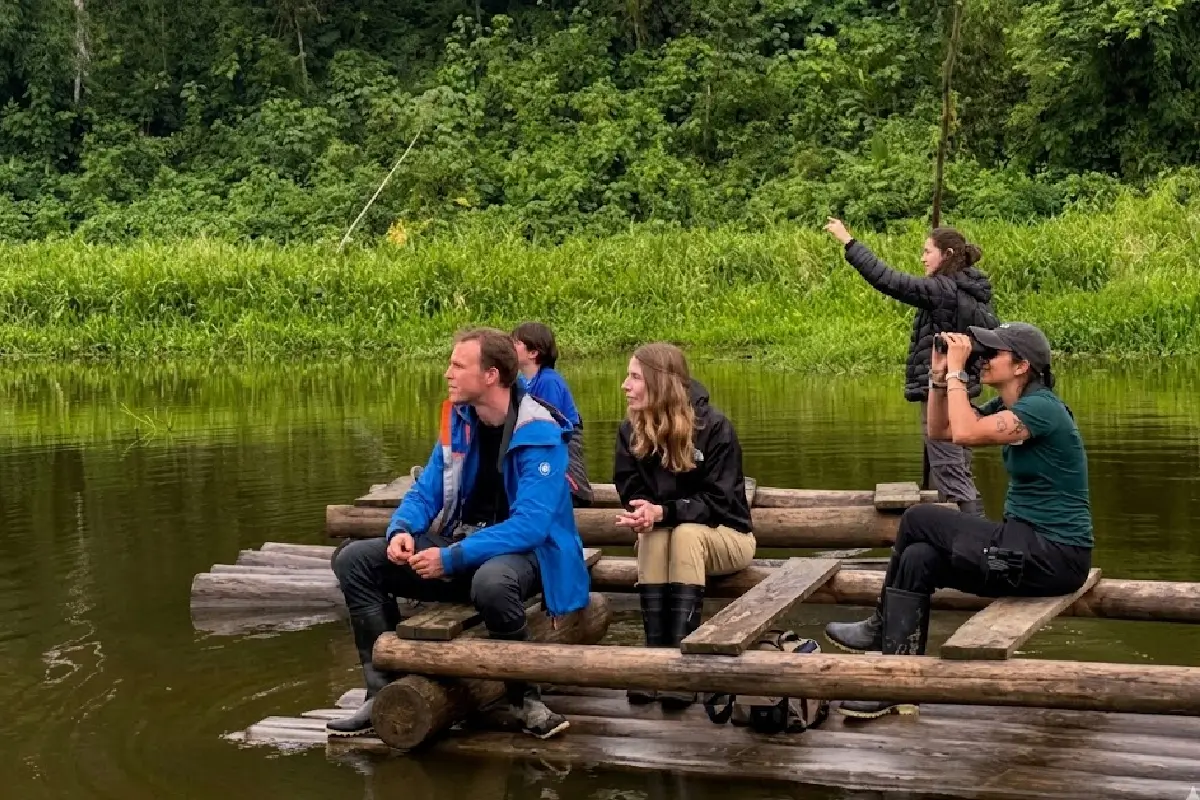
The Peruvian Amazon is one of the most astonishing natural regions in the world. During trips to the Peruvian Amazon, you will experience a unique adventure immersed in nature. One of the most visited destinations is the Manu National Park, a 1.7 million-hectare area located between the Andes and the rainforest. This park, declared a UNESCO World Heritage Site, protects cloud forests, high-altitude grasslands, and tropical rainforests all in one place. Manu is home to hundreds of species: more than 800 birds, 200 mammals, and 1,300 butterflies. At dawn, it is natural to hear the sounds of toucans, macaws, and the mythical Andean cock-of-the-rock. While navigating its rivers, you will have the opportunity to see river wolves (giant otters), caimans, and even the elusive jaguar. Without a doubt, traveling to the Peruvian Amazon rainforest means experiencing a paradise of biodiversity and adventure.
Biodiversity of the Peruvian Amazon
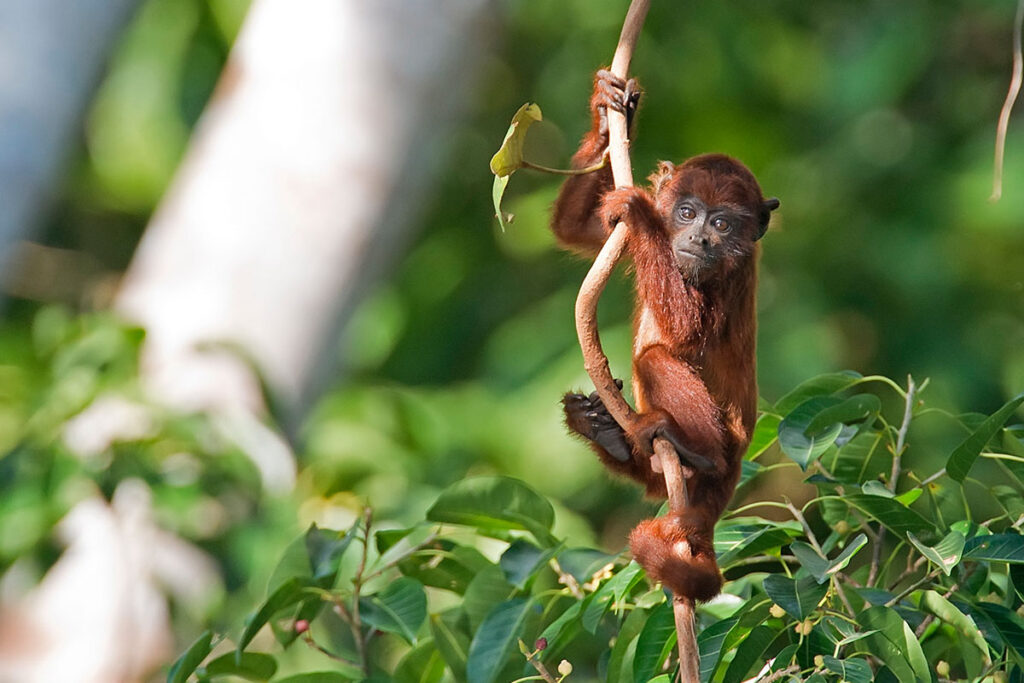
The Peruvian Amazon covers more than 60% of the country’s territory, which is reflected in an impressive variety of life. Ancient forests and serene rivers are home to thousands of plant and animal species. In the Manu National Park alone, more than 600 bird species have been identified, along with hundreds of mammals. In its waters and along its trails, you can spot multicolored macaws, howler monkeys, and even the jaguar. This biological richness makes the Peruvian Amazon an incomparable natural paradise.
Why Take Trips to the Peruvian Amazon?
- Unique nature: The Peruvian Amazon is home to exotic species that you will only see in the wild. Trips to the Peruvian Amazon allow you to observe jaguars, giant otters, macaws, and toucans in their natural habitat.
- Landscapes and adventure: You will discover endless jungles, mighty rivers, and spectacular waterfalls. Every day is a sensory adventure: sailing at dawn, listening to the songs of strange birds, and walking among glowing insects and giant orchids.
- Ancestral culture: The journey combines nature and culture. Indigenous communities preserve their traditions, crafts, and ancient knowledge. By visiting native villages, you will learn about their dances, wood craftsmanship, and traditional medicine.
- Responsible tourism: Tours combine adventure with respect for the environment. Many agencies offer expeditions in small groups with expert local guides. These include canoe rides, guided hikes, and sustainable eco-lodging, guaranteeing an authentic and safe experience.
What Places to Visit in the Peruvian Amazon?
The Peruvian Amazon offers a variety of adventure and nature destinations. These destinations include:
- Manu National Park (Cusco – Madre de Dios): A sanctuary declared a World Heritage Site. With 1,716,295 hectares ranging from 150 to 4,200 meters in altitude, Manu protects extraordinary biodiversity. More than 850 bird species have been identified here, along with iconic wildlife such as the jaguar, giant otter, and Andean cock-of-the-rock.
- Tambopata National Reserve (Madre de Dios): Forests among the most biodiverse and accessible on the planet. Here there are rivers populated by monkeys and jaguars, oxbow lakes with giant otters, and clay licks where multicolored macaws fly. Tours usually include stays in eco-lodges beside pristine lagoons.
- Pacaya Samiria National Reserve (Loreto): The largest flooded reserve in Peru. It allows visitors to explore blackwater rivers where pink dolphins, caimans, manatees, and aquatic birds can be spotted in their natural habitat. The landscape of flooded forests and lagoons is unique.
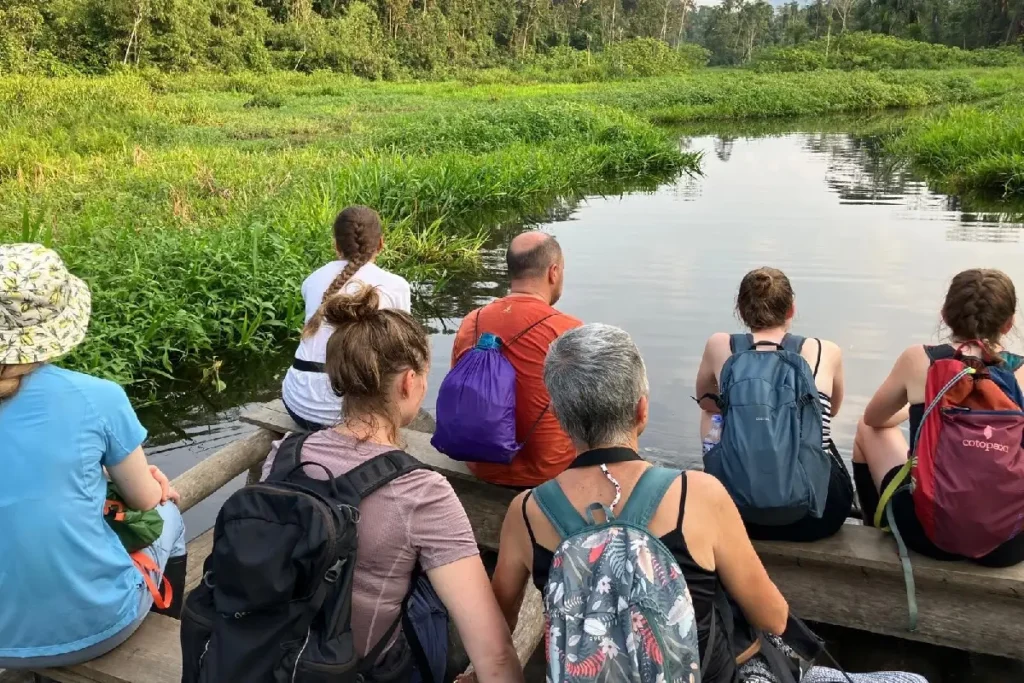
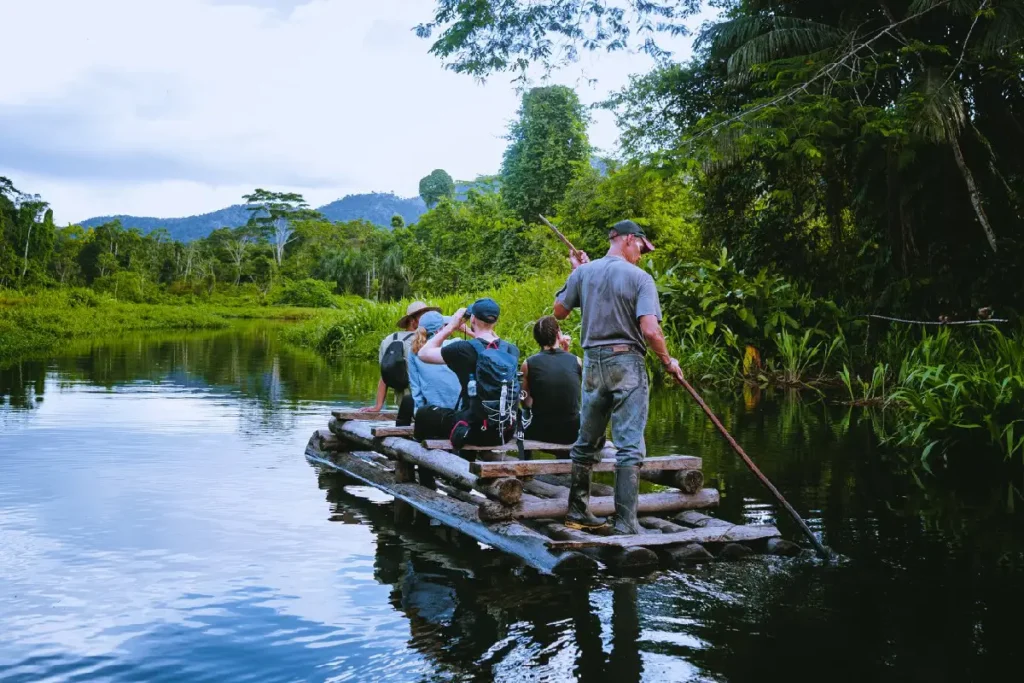
- Iquitos (Loreto): The largest jungle city in the world without road access. It is the starting point for Amazon excursions. From here, tours depart to navigate blackwater rivers, watch pink dolphins at dawn, and visit riverside communities on rafts. Iquitos also offers accommodation in floating cabins and canopy activities.
Manu National Park: A Paradise of Biodiversity
The Manu National Park is an unparalleled natural sanctuary. With 1.7 million hectares, it stretches from the Andes to the Amazon. Its stratified vegetation ranges from snow-capped mountains to tropical forests. At least 850 bird species and hundreds of mammals have been documented here. Rare animals such as the giant otter and giant armadillo inhabit its rivers, and the jaguar is frequently seen along its trails. The wildlife dazzles visitors with exotic birds, deer, and even Andean bears. With expert guides, visitors can observe Andean cock-of-the-rocks from lookout points and river wolves in the lagoons. Every journey through Manu promises unique encounters with untouched nature.

Tours and Trips to the Peruvian Amazon
To explore the Peruvian jungle, it is essential to book tours with authorized operators. Specialized agencies offer packages that combine adventure and safety. For example, they include boat trips along majestic rivers, hikes through jungle trails, and accommodation in sustainable lodges. Each expedition is accompanied by bilingual naturalist guides who share knowledge about flora, fauna, and local communities. In this way, travelers enjoy an authentic and responsible experience. Dare to discover the best trips to the Peruvian Amazon, disconnect from the world, and reconnect with nature. In summary, Manu National Park tours and other Amazonian destinations offer complete adventures with everything needed to safely appreciate the rainforest.
What to Do in Manu National Park?
- Wildlife watching: With local guides, day and night safaris are organized. It is possible to see howler monkeys, giant otters, macaws, caimans, and even the spectacled bear. The hikes lead to macaw clay licks and giant orchids.
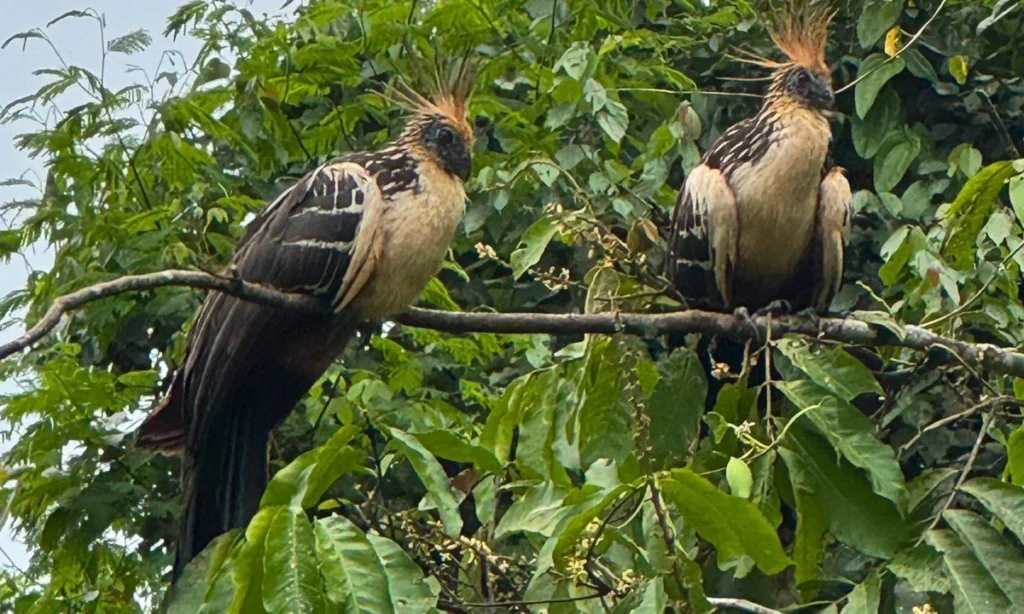
- Birdwatching: Manu is a paradise for birdwatchers. More than 600 bird species have been recorded, including the iconic Andean cock-of-the-rock, toucans, multicolored hummingbirds, and harpy eagles. Tours usually include observation platforms in tall trees.
- Navigation through lagoons and rivers: Boat or canoe rides through lagoons (cochas) and calm stretches of the Manu River allow visitors to discover aquatic life. From the boat, fish, aquatic birds, and occasionally pink dolphins can be observed. These excursions offer unique views of the rainforest from the water.
- Guided hikes: Interpretive trails cross the high jungle and cloud forest. Short routes showcase local flora, in addition to hectares of giant ferns, orchids, and the enormous ceiba tree, while also teaching about medicinal plants. Visitors also climb natural viewpoints to admire the jungle valley.
- Cultural exchange: Some routes include visits to nearby Matsigenka or Yanesha communities. Visitors learn about traditional craftsmanship, Amazonian legends, and ancestral lifestyles, even participating in community rituals.
- Nightlife in the jungle: Excursions at dusk reveal another world. With flashlights, visitors can spot tarantulas, phosphorescent frogs, and search for caimans along the riverbanks. The contrast between the forest during the day and at night in Manu is a fascinating experience.
Best Time to Travel to the Peruvian Amazon
The recommended season for these trips is the dry season, approximately from April to November. During these months, the weather is warm but rainfall is lighter, making access by roads and river navigation easier. During the rainy season (December–March), trails become flooded and many activities are restricted, although the rainforest appears greener and rivers reach high levels. Planning the trip between May and October usually guarantees good weather and greater opportunities for wildlife sightings. In any case, with an expert guide, you will be able to adapt your itinerary according to the season in order to experience the Amazon at its fullest.
Discover the Peruvian Amazon and Manu National Park: unique biodiversity, exotic wildlife, and jungle adventure. Enjoy authentic experiences with expert guides and untouched nature. Book with us and explore the Peruvian rainforest.