
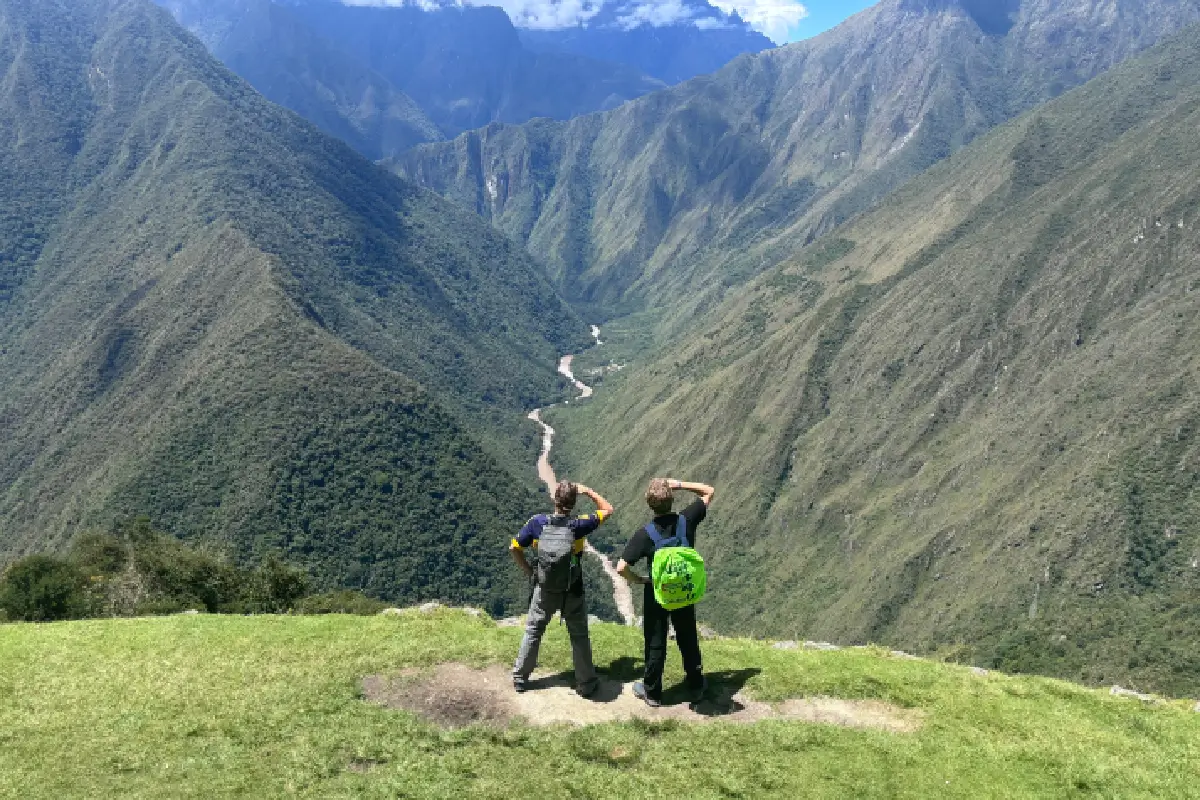
Determining the best season to hike the Inca Trail is essential to ensure a safe and comfortable journey. Those planning to trek the Inca Trail to Machu Picchu should take into account not only the weather conditions in the Peruvian highlands, but also permit availability and the physical demands of the route.
What Is the Best Season to Hike the Inca Trail?
The best season to hike the Inca Trail depends on the type of experience you are looking for. Between May and September, the dry season takes place, considered the ideal time to hike the route thanks to the clear skies, limited rainfall, and the best views of the Andean landscapes and Machu Picchu. However, these are also the months with the highest number of tourists, so it is necessary to book permits well in advance.
On the other hand, between November and March, rainfall is more common, which can make the trail more slippery and create fog during the trek. Even so, the landscape looks greener and there are fewer visitors. The months of April, May, September, and October usually offer the best balance between good weather, fewer tourists, and favorable hiking conditions.
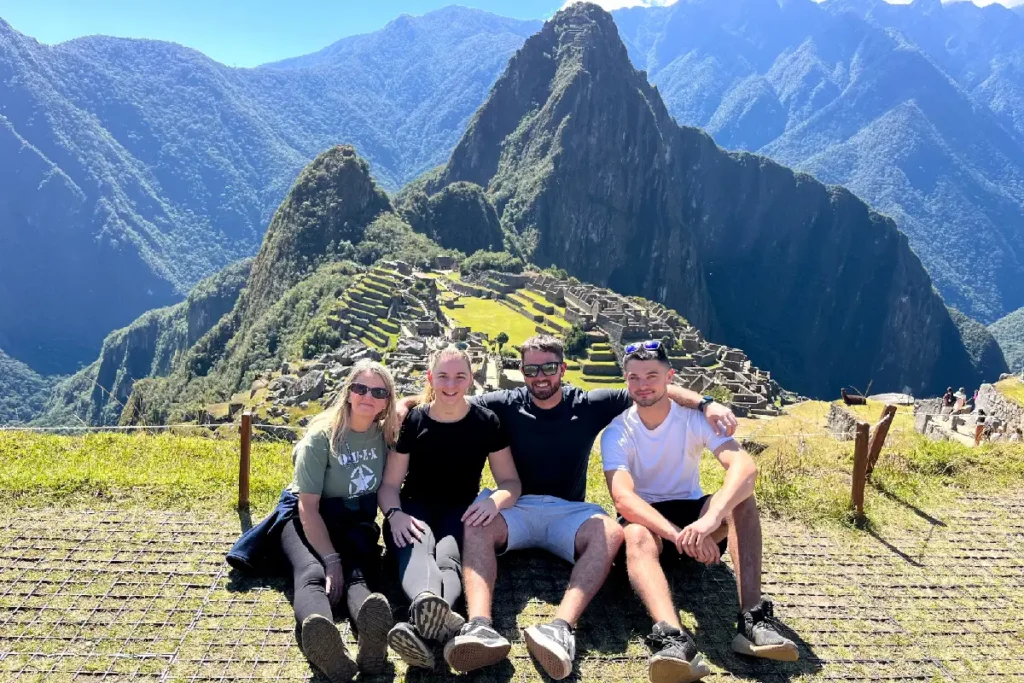
The Best Season to Hike the Inca Trail: Dry Season (May to September)
The dry season, between May and September, is considered the best time to hike the Inca Trail due to the limited rainfall, safer trails, and clear skies that allow travelers to better enjoy the landscapes and Machu Picchu. During the day, temperatures are usually pleasant, although nights can be very cold, especially in June and July, when temperatures in the higher areas may drop below freezing.
As this is the most popular season, permits sell out quickly, and it is recommended to book at least 6 to 8 months in advance through authorized agencies. In addition, tickets are personal and non-transferable, so passport details must match the reservation exactly. Access to the Inca Trail has limited daily quotas to protect the route and preserve this important historical heritage.
Shoulder Seasons: April and October
The months of April and October are an excellent alternative for those looking to hike the Inca Trail with fewer tourists and relatively favorable weather. In April, the landscapes still maintain the intense greenery of the rainy season, while in October temperatures are usually milder and more pleasant for hiking. Although occasional rain may occur in both months, trail conditions generally remain suitable for the trek.
In addition to the climatic balance, one of the main advantages of these seasons is the greater availability of permits and less congestion at campsites and scenic viewpoints. This allows for a more peaceful and flexible experience, since it is usually enough to book 4 to 5 months in advance.
Rainy Season: November to March
The rainy season, between November and March, is a good option for those looking for a quieter experience with fewer tourists on the Inca Trail. During these months, the landscapes look much greener, and rainfall is usually concentrated in the afternoons or evenings. However, the humidity, fog, and slippery trails can make the hike more demanding, so it is recommended to have good waterproof gear and previous trekking experience.
It is important to note that the Inca Trail remains closed throughout February for maintenance and conservation work. Even so, Machu Picchu remains open and can be visited by train or through alternative routes such as the Salkantay Trek, Lares Trek, or Inca Jungle, which continue operating normally during that season.
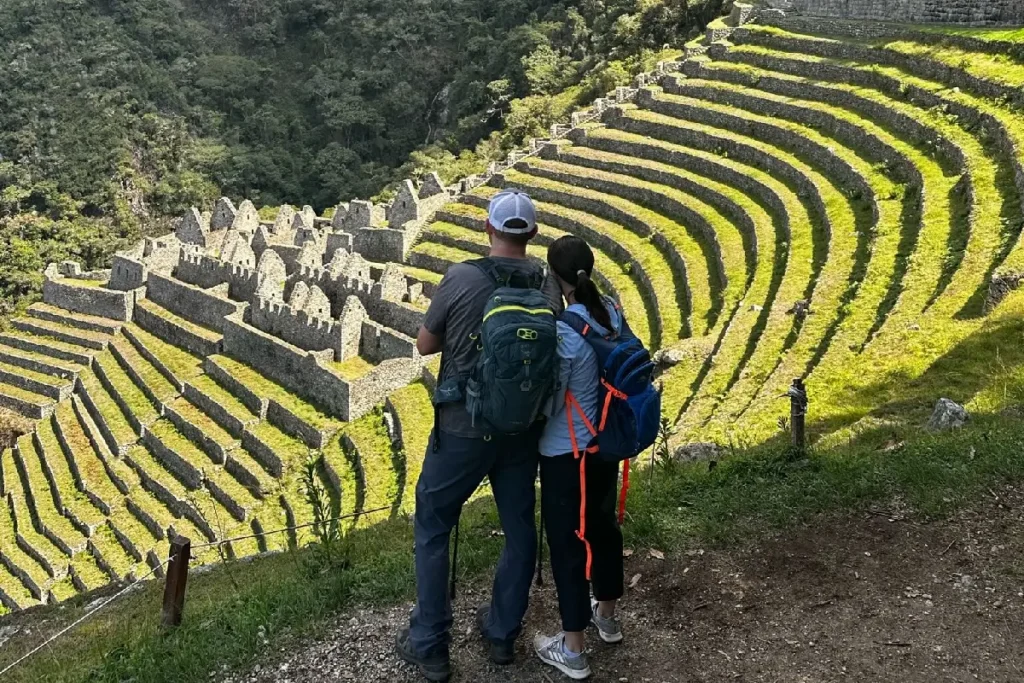
When Is the Best Season to Hike the Inca Trail?
Determining the best season to hike the Inca Trail also depends on the traveler’s physical condition and the type of route they choose. The classic 4-day Inca Trail is more demanding, as it requires a moderate to high level of physical effort. In contrast, the short 2-day version begins at Kilometer 104 of the railway line and continues on foot to Machu Picchu, entering through the famous Sun Gate (Inti Punku). This route is shorter, approximately 10 to 12 kilometers, and does not include high-altitude campsites, making it less demanding.
For this reason, this option is ideal for beginners, families, or people with less experience in long-distance hiking, as it allows travelers to enjoy the Inca Trail experience in a more accessible way and with less physical effort. Contact us and book your Inca Trail to Machu Picchu tour.