
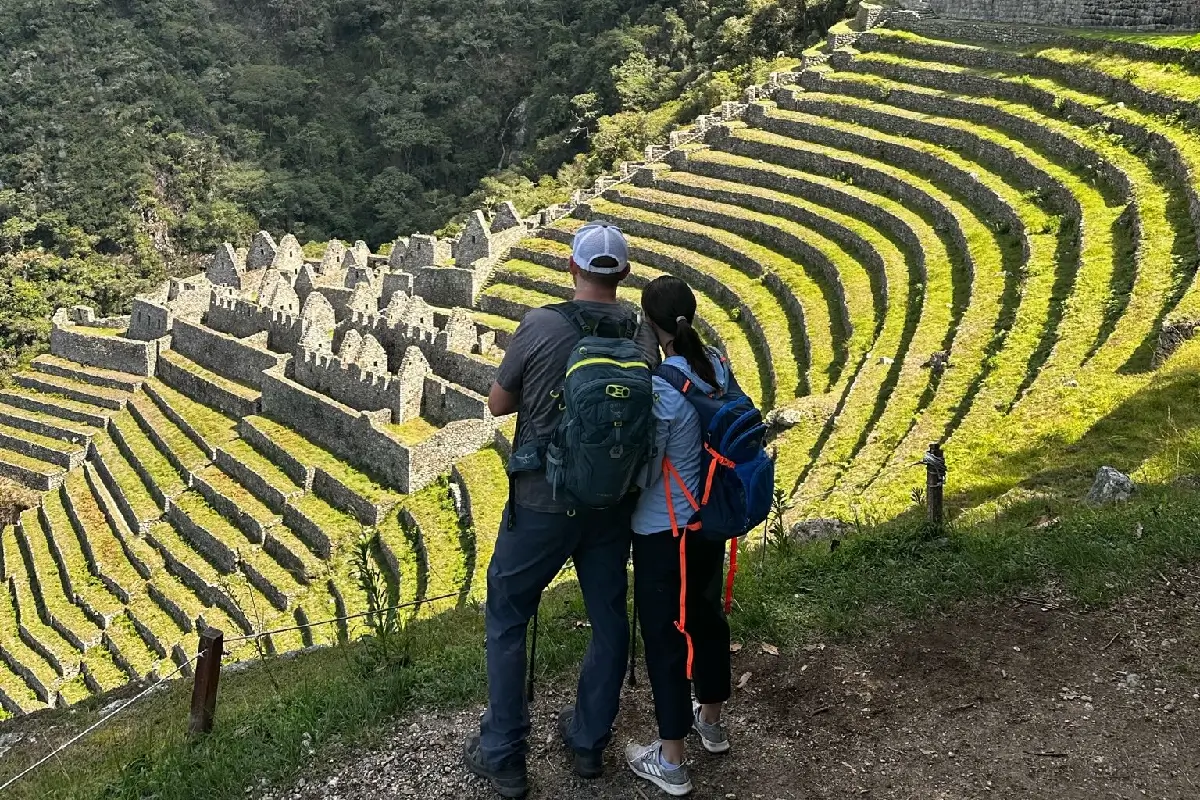
The Inca Trail to Machu Picchu is one of the most iconic trekking routes in the world, not only because of its Andean landscapes, but also because of the historical richness it contains. Along the route, travelers can discover numerous archaeological sites on the Inca Trail to Machu Picchu, which reflect the high level of organization, engineering, and spirituality of the Inca civilization.
What Archaeological Sites Are Found on the Inca Trail?
The Inca Trail to Machu Picchu is part of the Qhapaq Ñan, the extensive road network of the Inca Empire. During the hike, different types of constructions can be found, such as agricultural centers, control posts, ceremonial areas, and tambos. These archaeological sites on the Inca Trail to Machu Picchu not only served practical purposes, but also symbolic ones, connecting different regions of the empire.
1. Km 82 and Patallacta: The Historic Beginning
The classic route begins at Km 82, where Patallacta is located, one of the first archaeological complexes on the Inca Trail to Machu Picchu. This site stands out for its extensive agricultural terraces and structures that suggest administrative and supply functions. It was a key point for food production and for controlling those traveling along the route.
2. Llactapata: Agricultural and Strategic Center
3. Llactapata is another of the archaeological sites on the Inca Trail to Machu Picchu that demonstrates the agricultural use of the territory. Its strategic location allows for a visual connection with Machu Picchu, which suggests that it may also have had a ceremonial or surveillance role within the Inca system.
4. Runkurakay and the Mountain Pass
Before crossing one of the highest points of the trek, travelers encounter Runkurakay, a circular structure that probably functioned as a tambo. These types of structures were essential on the Inca Trail to Machu Picchu, as they served as resting and control points for travelers.
5. Sayacmarca: The Inaccessible City
Sayacmarca is one of the most impressive archaeological sites on the Inca Trail to Machu Picchu. Built in an elevated area, it features a complex network of stairways, narrow streets, and well-planned enclosures. Its difficult access reinforces the idea that it served a strategic or ceremonial purpose.
6. Phuyupatamarca: Engineering and Spirituality
One of the most fascinating points on the Inca Trail to Machu Picchu is Phuyupatamarca, known as “the city above the clouds.” This site stands out for its hydraulic system, with perfectly designed water fountains, and for its agricultural terraces. It is a clear example of the harmony between engineering and nature in Inca archaeological sites.
7. Intipata and High-Altitude Agriculture
Intipata is a group of agricultural terraces that demonstrates the Inca mastery of Andean geography. This archaeological site on the Inca Trail to Machu Picchu not only had a productive purpose, but also contributed to the stability of the terrain.
8. Wiñay Wayna: Gateway to Machu Picchu
Wiñay Wayna is one of the most important complexes on the Inca Trail to Machu Picchu. Its name means “forever young,” and it is composed of terraces, fountains, and enclosures that suggest residential and ceremonial functions. It is the last major archaeological site before reaching the final destination.
9. Inti Punku: The Dream Arrival
The route culminates at Inti Punku, the Sun Gate, from where travelers get the first panoramic view of Machu Picchu. This point marks the end of the Inca Trail to Machu Picchu and symbolizes the spiritual connection between the traveler and the ancient sacred city.
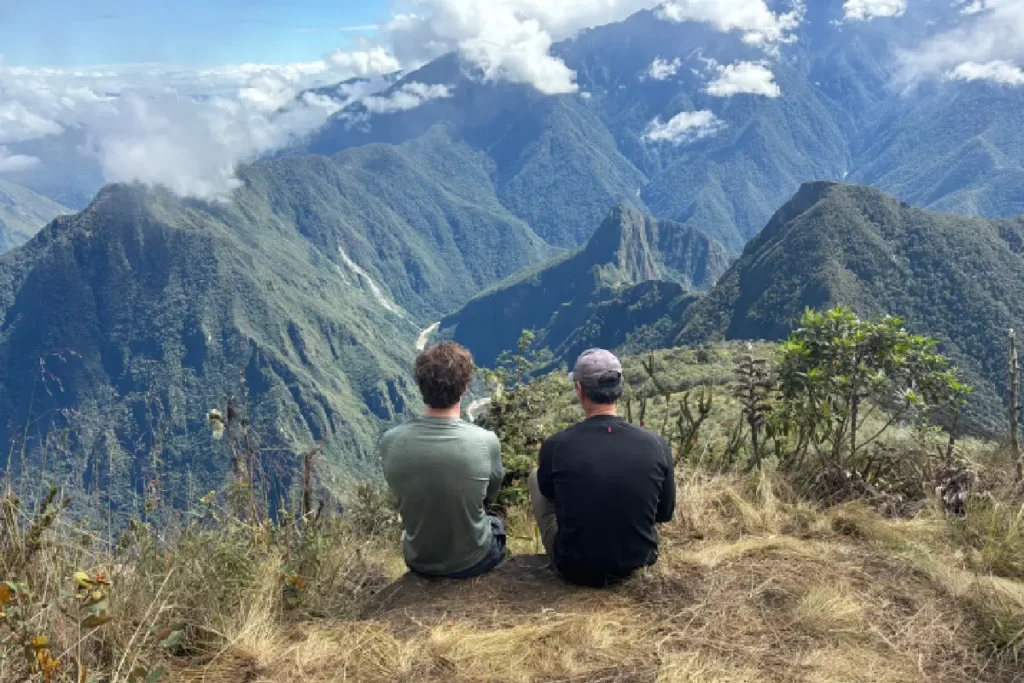
Importance of the Archaeological Sites on the Inca Trail
The archaeological sites on the Inca Trail to Machu Picchu are essential for understanding the magnitude of the Inca Empire. Each of these spaces reveals how the Incas managed to adapt to a challenging environment, developing advanced techniques in construction, agriculture, and integration with nature.
Hiking the Inca Trail to Machu Picchu is a unique experience that combines adventure, history, and culture. Every step allows travelers to discover the legacy of one of the most fascinating civilizations in the Americas, making this route an unforgettable journey for both trekking enthusiasts and history lovers.
To explore these incredible archaeological sites on the Inca Trail to Machu Picchu and enjoy a unique experience full of history and nature, contact us and book your tour with us. We will accompany you every step of the way so you can fully enjoy this unforgettable adventure.